

• Best Air Purifiers for Home 2026: Reviews, Comparison & Buying Guide

    Best Air Purifiers for Home 2026: Reviews, Comparison & Buying Guide

    Indoor air quality has become an important concern for many homeowners. Dust, pet hair, pollen, smoke, and other airborne particles can affect the comfort of your home and the quality of the air you breathe. Air purifiers are designed to remove unwanted particles from the air and create a cleaner indoor environment. Modern air purifiers…


  • Smart TVs for Modern Homes: Features, Benefits, Buying Guide, FAQs, and Best Models in 2026

    Smart TVs for Modern Homes: Features, Benefits, Buying Guide, FAQs, and Best Models in 2026

    A Smart TV is one of the best upgrades you can make for your home. It does much more than show regular TV channels. With internet access, built-in apps, and excellent picture quality, a Smart TV lets you enjoy movies, live sports, games, music, and online videos from one device. Today, Smart TVs are available…


  • Smart Washing Machines for Modern Homes: Complete Buying Guide 2026

    Smart Washing Machines for Modern Homes: Complete Buying Guide 2026

    Doing laundry is a regular household task, but modern technology has made it easier than ever. Smart washing machines are designed to save time, improve efficiency, and give homeowners more control over their laundry routines. With features like smartphone controls, automatic detergent dispensing, and energy-saving technology, smart washing machines are becoming a popular choice for…


  • Smart Treadmills for Home Fitness: Complete Buying Guide 2026

    Smart Treadmills for Home Fitness: Complete Buying Guide 2026

    Smart Treadmills for Home Fitness: Features, Benefits, Costs, and Buying Guide Home fitness has become increasingly popular, and treadmills remain one of the most effective and convenient exercise machines available. Today’s smart treadmills offer far more than basic walking and running capabilities. With advanced technology, interactive workouts, and fitness tracking features, they can transform any…


  • Smart Vacuums for Modern Homes: Complete Buying Guide 2026

    Smart Vacuums for Modern Homes: Complete Buying Guide 2026

    Keeping a home clean can be challenging, especially for busy families, working professionals, and pet owners. Fortunately, smart vacuum technology has transformed household cleaning by automating one of the most time-consuming chores. Smart vacuums, often called robot vacuums, use advanced sensors, mapping technology, and mobile apps to clean floors with minimal human intervention. As these…


  • Dining Furniture Sets in 2026: Simple Buying Guide for Smart Buyers

    Dining furniture sets remain one of the most important parts of any home. In 2026, homeowners are focusing on comfortable, durable, and stylish dining furnitures that improve everyday meals and family gatherings. Whether you are upgrading a kitchen dining area, a formal dining room, or a small apartment space, choosing the right dining furniture set…


  • Buying an Electric Vehicle: Key Considerations & Essential Tips

    The electric vehicle revolution is in full swing, offering drivers a compelling blend of sustainability, lower operating costs, and exhilarating performance. However, transitioning from gasoline to electrons requires careful thought beyond just the showroom appeal. Here’s a comprehensive look at the crucial factors to evaluate and actionable tips to ensure a smooth, successful switch to…


  • Essential Home Furniture this 2025

    Essential home furniture, highlighting key styles, pros, cons, materials, and tips for choosing the right pieces for your space: 1. Sofa/Sectional Price Range: $500–$5,000+Key Specs: 2. Bed Frame Price Range: $200–$3,000+Key Specs: 3. Dining Table Price Range: $300–$4,000+Key Specs: 4. Wardrobe/Armoire Price Range: $400–$3,000+Key Specs: 5. Coffee Table Price Range: $100–$2,000+Key Specs: 6. Bookshelf/Storage Unit Price Range: $150–$2,500+Key Specs: 7. Desk/Workspace…


Category: Essentials

  • Best Air Purifiers for Home 2026: Reviews, Comparison & Buying Guide

    Best Air Purifiers for Home 2026: Reviews, Comparison & Buying Guide

    Indoor air quality has become an important concern for many homeowners. Dust, pet hair, pollen, smoke, and other airborne particles can affect the comfort of your home and the quality of the air you breathe.

    Air purifiers are designed to remove unwanted particles from the air and create a cleaner indoor environment. Modern air purifiers now include smart features such as app control, air quality monitoring, automatic modes, and voice assistant support.

    With many brands and models available, choosing the right air purifier can be difficult. This guide compares some of the best air purifiers in 2026, explains their features, and helps you find the right option for your home.


    What Is an Air Purifier?

    An air purifier is a device that uses filters and air-cleaning technology to remove pollutants from indoor air.

    Most air purifiers use a combination of:

    • HEPA filters to capture small particles
    • Activated carbon filters to reduce odors and gases
    • Pre-filters to capture larger particles like dust and pet hair
    • Smart sensors to monitor air quality

    Benefits of Using an Air Purifier

    Reduces Dust and Allergens

    Air purifiers can help remove common indoor allergens such as:

    • Dust
    • Pollen
    • Pet dander
    • Mold spores

    This can help create a more comfortable environment, especially during allergy seasons.

    Helps Remove Smoke and Odors

    Activated carbon filters can reduce unpleasant smells from cooking, pets, smoke, and other household odors.

    Improves Indoor Air Quality

    Smart air purifiers continuously monitor air conditions and adjust cleaning power automatically when pollution levels increase.

    Better Sleep Environment

    Cleaner air with reduced dust and allergens can help create a more comfortable bedroom environment.

    Helpful for Pet Owners

    Pet owners can benefit from air purifiers that capture pet hair, dander, and odors.


    Important Features to Consider

    True HEPA Filter

    A True HEPA filter is one of the most important features because it captures very small airborne particles.

    Room Coverage

    Choose a purifier based on the size of your room.

    • Small rooms: Bedrooms and offices
    • Medium rooms: Living rooms and apartments
    • Large rooms: Open spaces and large homes

    Air Quality Sensors

    Smart sensors detect pollution levels and automatically adjust fan speed.

    Noise Level

    A quieter air purifier is important for bedrooms and workspaces.

    Smart App Control

    Many modern models allow users to:

    • Monitor air quality
    • Adjust settings
    • Schedule operation
    • Receive filter replacement alerts

    Filter Replacement Cost

    A cheaper purifier may have expensive replacement filters. Always consider long-term maintenance costs.


    Best Air Purifiers in 2026 Comparison

    ModelBest ForRoom CoverageKey FeaturesPrice Range
    Coway Airmega AP-1512HHBest OverallMedium RoomsTrue HEPA, air quality sensor, quiet operation$150–$250
    Levoit Core 600SLarge RoomsLarge SpacesSmart app, high airflow, voice control$250–$350
    Dyson Purifier Big+QuietPremium ChoiceLarge RoomsAdvanced filtration, smart sensors, premium design$900+
    Blueair Blue Pure 211+Best ValueLarge RoomsStrong cleaning power, simple controls$250–$350
    Winix 5500-2Budget FriendlyMedium RoomsHEPA filter, carbon filter, air quality monitoring$150–$220

    Detailed Air Purifier Reviews

    Coway Airmega AP-1512HH

    Best Overall Air Purifier

    The Coway Airmega AP-1512HH remains one of the most popular air purifiers because it offers excellent performance at a reasonable price.

    Features:

    • True HEPA filtration
    • Air quality indicator
    • Automatic fan adjustment
    • Energy-efficient operation
    • Compact design

    Pros:

    ✔ Excellent filtration performance
    ✔ Affordable replacement filters
    ✔ Quiet operation
    ✔ Great for bedrooms and living rooms

    Cons:

    ✘ No advanced smart app features

    Best For: Most homes looking for reliable air cleaning.


    Levoit Core 600S

    Best Smart Air Purifier

    The Levoit Core 600S is designed for larger spaces and includes smart home features.

    Features:

    • Wi-Fi connectivity
    • Smartphone app control
    • Voice assistant support
    • High air circulation rate
    • Large room coverage

    Pros:

    ✔ Excellent for large rooms
    ✔ Smart controls
    ✔ Strong cleaning performance

    Cons:

    ✘ Replacement filters can be expensive

    Best For: Families and smart home users.


    Dyson Purifier Big+Quiet

    Best Premium Air Purifier

    Dyson is known for advanced technology and premium designs. The Big+Quiet model focuses on powerful purification with quieter operation.

    Features:

    • Advanced particle detection
    • Premium filtration system
    • Smart monitoring
    • Modern design

    Pros:

    ✔ Excellent build quality
    ✔ Advanced technology
    ✔ Quiet performance

    Cons:

    ✘ Very expensive

    Best For: Users who want premium performance and design.


    Blueair Blue Pure 211+

    Best Value for Large Rooms

    Blueair offers powerful air cleaning with a simple and modern design.

    Features:

    • High airflow performance
    • Particle and odor filtration
    • Large room coverage
    • Easy controls

    Pros:

    ✔ Strong performance
    ✔ Simple operation
    ✔ Good value

    Cons:

    ✘ Limited smart features

    Best For: Large rooms without needing advanced technology.


    Winix 5500-2

    Best Budget Option

    The Winix 5500-2 provides excellent filtration features at an affordable price.

    Features:

    • True HEPA filter
    • Activated carbon filter
    • Air quality sensor
    • Automatic mode

    Pros:

    ✔ Affordable
    ✔ Effective filtration
    ✔ Good for bedrooms

    Cons:

    ✘ Basic design

    Best For: Budget-conscious buyers.


    Air Purifier Buying Guide

    Before buying an air purifier, consider:

    Room Size

    Always choose a model designed for your room size. A small purifier may not clean a large living room effectively.

    Filter Type

    Look for True HEPA filters and activated carbon filters for better overall performance.

    Noise Level

    If you plan to use it in a bedroom, choose a model with a quiet sleep mode.

    Operating Costs

    Check the cost and availability of replacement filters.

    Smart Features

    Smart controls are useful but not required. Focus first on cleaning performance.


    Frequently Asked Questions (FAQ)

    Do air purifiers really work?

    Yes. Quality air purifiers with HEPA filters can reduce airborne particles such as dust, pollen, and pet dander.

    Should I leave my air purifier running all day?

    Many air purifiers are designed to run continuously. Using automatic mode allows the device to adjust performance based on air quality.

    Where should I place an air purifier?

    Place it in an open area where air can circulate freely. Avoid placing it behind furniture or against walls.

    How often should I replace the filter?

    Most filters need replacement every 6 to 12 months, depending on usage and air quality.

    Can an air purifier remove odors?

    Yes. Models with activated carbon filters can help reduce odors from cooking, smoke, and pets.


    Final Thoughts

    The best air purifier depends on your room size, budget, and personal needs.

    For most homeowners, the Coway Airmega AP-1512HH offers the best balance of performance and affordability. If you need smart features and larger coverage, the Levoit Core 600S is an excellent choice. For premium buyers, the Dyson Purifier Big+Quiet provides advanced technology and luxury design.

    Investing in a quality air purifier can help create a cleaner, fresher, and more comfortable home environment in 2026.
  • Smart TVs for Modern Homes: Features, Benefits, Buying Guide, FAQs, and Best Models in 2026

    Smart TVs for Modern Homes: Features, Benefits, Buying Guide, FAQs, and Best Models in 2026

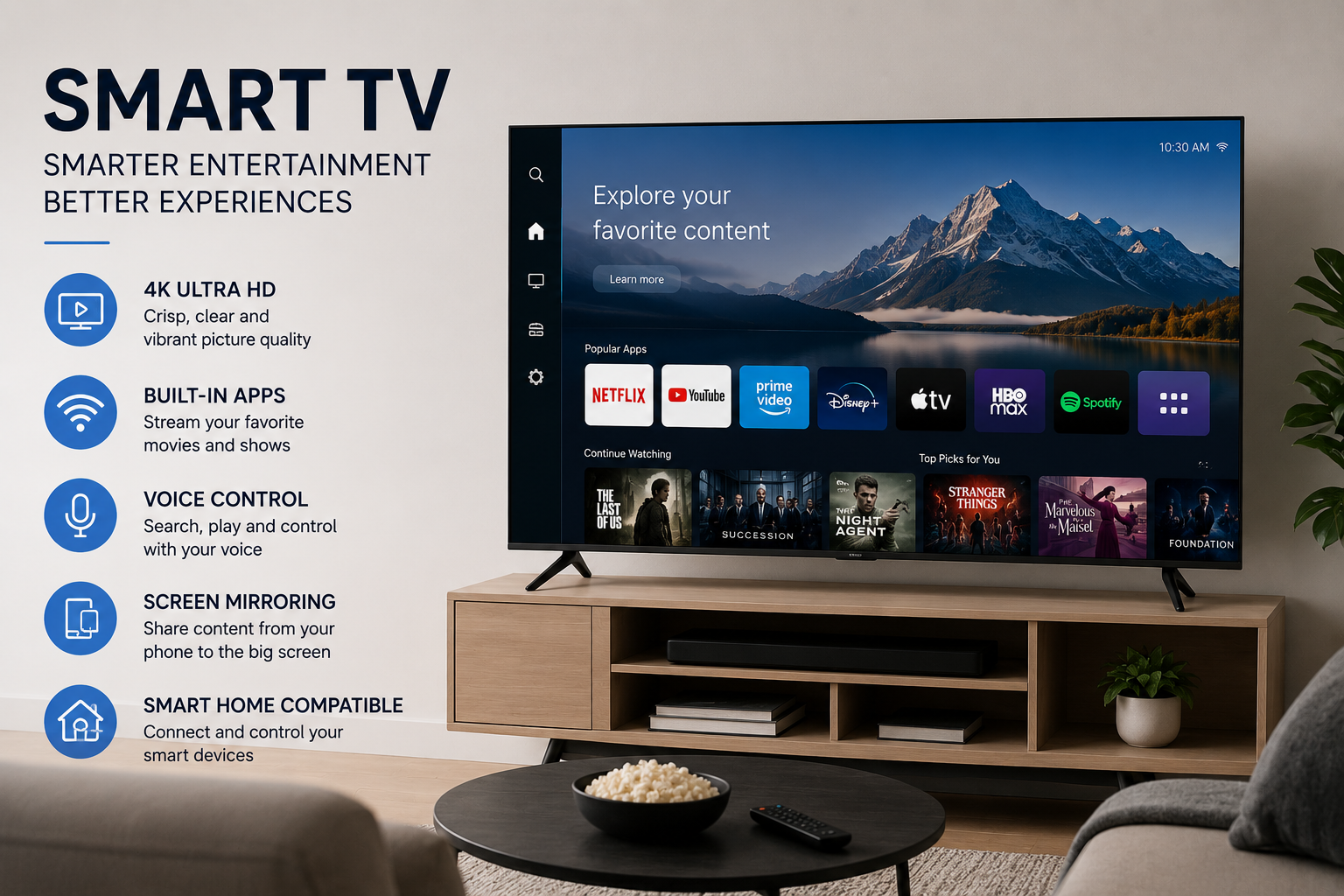
    A Smart TV is one of the best upgrades you can make for your home. It does much more than show regular TV channels. With internet access, built-in apps, and excellent picture quality, a Smart TV lets you enjoy movies, live sports, games, music, and online videos from one device.

    Today, Smart TVs are available in many sizes and price ranges. Whether you’re buying your first Smart TV or replacing an older television, this guide will help you understand the important features and choose the right model for your home.

    What Is a Smart TV?

    A Smart TV is a television that connects to the internet through Wi-Fi or an Ethernet cable. It comes with built-in apps that allow you to stream movies, TV shows, sports, and music without needing a separate streaming device.

    Many Smart TVs also support voice assistants, smartphone screen sharing, and automatic software updates.

    Benefits of a Smart TV

    Watch Your Favorite Streaming Services

    Most Smart TVs include popular streaming apps, allowing you to watch thousands of movies and TV shows whenever you want.

    Better Picture Quality

    Modern Smart TVs offer bright colors, sharp images, and smooth motion, making movies and sports more enjoyable.

    Internet Browsing

    Some Smart TVs include a web browser, allowing you to visit websites or search for information directly from your television.

    Voice Control

    Many Smart TVs allow you to search for movies, adjust the volume, or change channels using simple voice commands.

    Connect Your Smartphone

    You can easily display photos, videos, games, or presentations from your smartphone or tablet on a larger screen.

    Smart Home Compatibility

    Some Smart TVs can work with compatible smart home devices, giving you more control over your connected home.

    Important Features to Look For

    4K Resolution

    A 4K TV provides much sharper images than Full HD, making movies and games look more realistic.

    HDR Support

    HDR improves brightness, contrast, and colors for a better viewing experience.

    Wi-Fi Connectivity

    Built-in Wi-Fi allows your TV to connect to the internet without extra cables.

    Bluetooth

    Bluetooth lets you connect wireless headphones, speakers, keyboards, and gaming controllers.

    HDMI Ports

    Having multiple HDMI ports makes it easy to connect gaming consoles, soundbars, Blu-ray players, and streaming devices.

    Fast Operating System

    A responsive operating system makes it easier to switch between apps and navigate menus quickly.

    Different Types of Smart TVs

    LED Smart TVs

    LED TVs are affordable, reliable, and perfect for everyday viewing.

    Best for:

    • Families
    • Students
    • Budget-conscious buyers

    QLED Smart TVs

    QLED TVs produce brighter colors and perform well in bright rooms.

    Best for:

    • Sports fans
    • Bright living rooms
    • Everyday entertainment

    OLED Smart TVs

    OLED technology delivers outstanding picture quality with deep black levels and vibrant colors.

    Best for:

    • Movie lovers
    • Home theaters
    • Gamers

    Mini-LED Smart TVs

    Mini-LED TVs combine excellent brightness with improved contrast, making them a great choice for premium viewing.

    Best for:

    • Large rooms
    • Family entertainment
    • Premium viewing experiences

    Smart TV Price Guide

    Price RangeWhat You Can Expect
    $200–$500Basic Smart TVs with Full HD or entry-level 4K
    $500–$1,000Larger screens, HDR support, and better performance
    $1,000–$2,500Premium QLED or OLED displays with advanced features
    $2,500+Luxury Smart TVs with top-tier picture quality and large screens

    Who Should Buy a Smart TV?

    A Smart TV is ideal for:

    • Families
    • Movie lovers
    • Sports fans
    • Gamers
    • Students
    • Remote workers
    • Anyone upgrading an older television

    Tips Before Buying

    Before making your purchase, consider the following:

    • Measure your available space.
    • Choose a screen size that fits your room.
    • Decide whether you need LED, QLED, OLED, or Mini-LED technology.
    • Check the number of HDMI and USB ports.
    • Compare energy efficiency ratings.
    • Read customer reviews before buying.

    Maintenance Tips

    To keep your Smart TV working properly:

    • Clean the screen with a soft microfiber cloth.
    • Keep the TV away from direct sunlight.
    • Do not spray cleaning liquids directly onto the screen.
    • Install software updates when available.
    • Use a surge protector to help protect against electrical damage.

    Proper care can help your television last for many years.

    Frequently Asked Questions (FAQ)

    What is the difference between a Smart TV and a regular TV?

    A Smart TV connects to the internet and includes built-in streaming apps. A regular TV requires additional devices to access online content.

    Do I need internet for a Smart TV?

    Internet is required for streaming apps, software updates, and online features. However, you can still watch cable TV, DVDs, or play games without an internet connection.

    Is 4K better than Full HD?

    Yes. A 4K TV offers higher resolution, sharper images, and more detailed picture quality than Full HD.

    Which screen size is best?

    • 32–43 inches for bedrooms
    • 50–55 inches for medium-sized living rooms
    • 65–75 inches for larger spaces
    • 85 inches or larger for home theaters

    Can I connect my phone to a Smart TV?

    Yes. Most Smart TVs support wireless screen mirroring or casting from compatible smartphones and tablets.

    How long does a Smart TV last?

    Most quality Smart TVs last between 7 and 10 years with proper maintenance.

    Most Popular Smart TVs in 2026

    Several Smart TVs have become popular because of their excellent performance, value, and customer satisfaction.

    Samsung Crystal UHD Series

    A reliable choice for everyday viewing with sharp 4K picture quality and an easy-to-use interface.

    Best For: Families and general entertainment.

    LG OLED evo Series

    Known for outstanding picture quality, deep black levels, and vibrant colors.

    Best For: Movie lovers and home theater enthusiasts.

    Sony BRAVIA Series

    Offers excellent color accuracy and smooth motion, making it a favorite for sports and movies.

    Best For: Premium entertainment.

    TCL Mini-LED Series

    Provides bright images and strong gaming performance at an affordable price.

    Best For: Budget-conscious buyers and gamers.

    Hisense U Series

    Combines advanced features with competitive pricing, offering excellent value for money.

    Best For: Families looking for premium features without a premium price.

    Final Thoughts

    A Smart TV is more than just a television—it’s an all-in-one entertainment center. Whether you enjoy streaming movies, watching live sports, gaming, or browsing online content, today’s Smart TVs make entertainment easier and more enjoyable.

    Before buying, compare screen size, display technology, features, and your budget. Taking the time to choose the right model will help you enjoy years of high-quality entertainment.

    With so many excellent options available in 2026, there is a Smart TV for every home and every budget.

  • Smart Washing Machines for Modern Homes: Complete Buying Guide 2026

    Smart Washing Machines for Modern Homes: Complete Buying Guide 2026

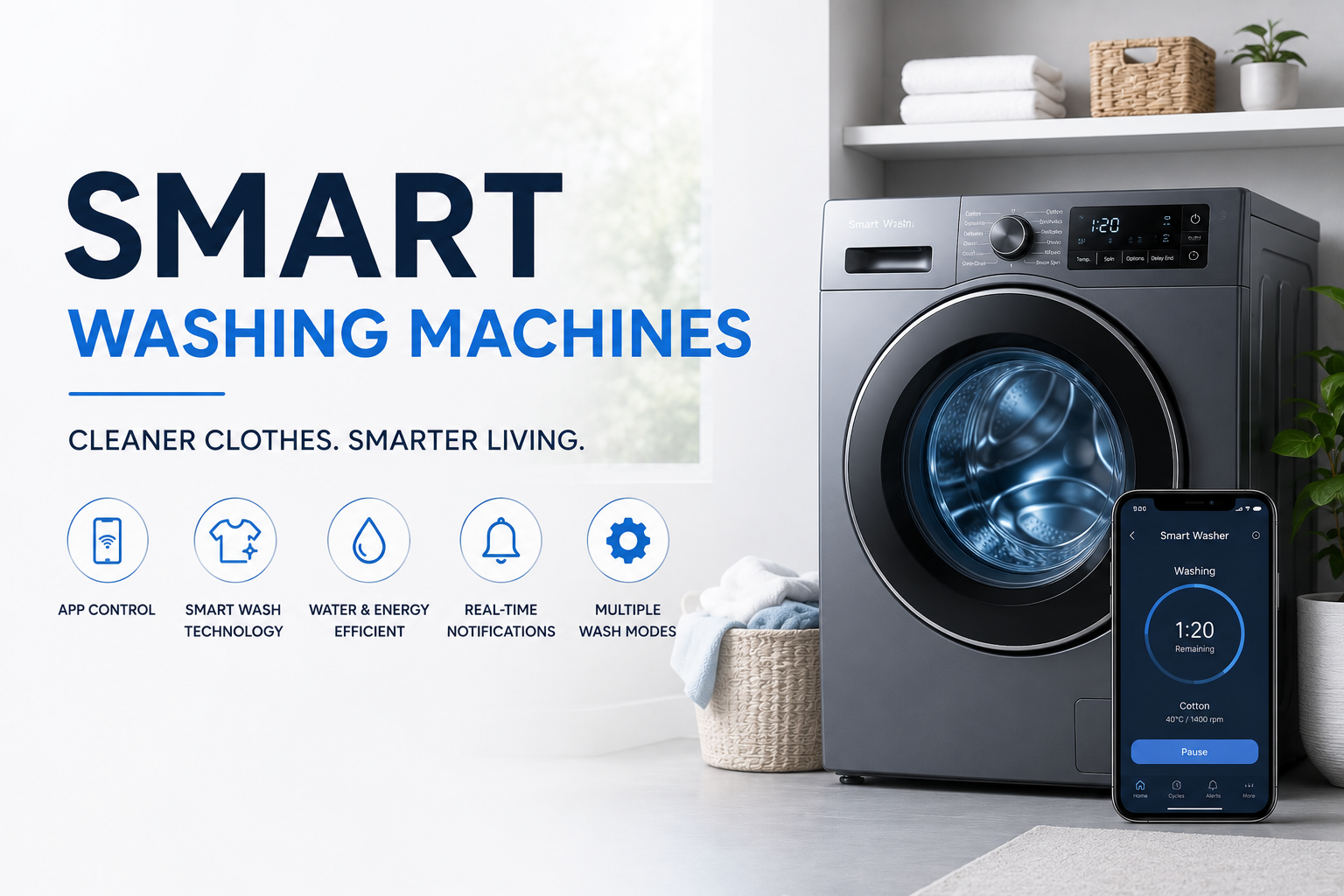
    Doing laundry is a regular household task, but modern technology has made it easier than ever. Smart washing machines are designed to save time, improve efficiency, and give homeowners more control over their laundry routines.

    With features like smartphone controls, automatic detergent dispensing, and energy-saving technology, smart washing machines are becoming a popular choice for families and busy households.

    In this guide, you’ll learn what smart washing machines are, their benefits, important features, pricing, and tips for choosing the right model for your home.

    What Is a Smart Washing Machine?

    A smart washing machine is a washer that connects to your home’s Wi-Fi network and can be controlled using a smartphone app. These machines often include advanced sensors and automation features that help improve washing performance while using less water and electricity.

    Many models can send notifications when a wash cycle is complete and allow users to start or monitor laundry remotely.

    Benefits of Smart Washing Machines

    Saves Time

    Smart washing machines can automate many laundry tasks, helping users spend less time managing loads and more time on other activities.

    Remote Control

    Using a mobile app, you can start, pause, or monitor your washing machine from almost anywhere.

    Energy Efficiency

    Many smart washers are designed to reduce water and energy consumption, which may help lower utility bills over time.

    Better Cleaning Performance

    Advanced sensors automatically adjust water levels, wash times, and spin speeds based on the size and type of each load.

    Helpful Notifications

    Users receive alerts when cycles finish, when maintenance is needed, or when detergent levels are low.

    Key Features to Look For

    Wi-Fi Connectivity

    Wi-Fi allows the washing machine to connect with your smartphone for remote access and monitoring.

    Mobile App Control

    Most smart washing machines include apps that allow users to:

    • Start and stop cycles
    • Check wash progress
    • Receive notifications
    • Download specialized wash programs

    Automatic Detergent Dispensing

    Some models can store detergent and automatically release the correct amount for each load.

    Energy-Saving Modes

    Eco-friendly settings help reduce water and electricity usage without sacrificing cleaning performance.

    Voice Assistant Compatibility

    Certain models work with smart home systems, allowing voice control for added convenience.

    Smart Sensors

    Built-in sensors detect fabric type, load size, and soil levels to optimize washing performance.

    Types of Smart Washing Machines

    Top-Load Washers

    Top-load machines are easy to use and often complete wash cycles more quickly.

    Best for:

    • Families
    • Large laundry loads
    • Users seeking simple operation

    Front-Load Washers

    Front-load washers are known for their efficiency, cleaning performance, and lower water consumption.

    Best for:

    • Energy-conscious households
    • Smaller laundry rooms
    • Gentle fabric care

    Washer-Dryer Combos

    These machines combine washing and drying functions into a single unit, making them ideal for limited spaces.

    Best for:

    • Apartments
    • Condos
    • Small homes

    How Much Do Smart Washing Machines Cost?

    The price depends on capacity, technology, and brand features.

    Price RangeFeatures
    $500–$800Basic smart controls and standard washing programs
    $800–$1,200Wi-Fi connectivity, advanced sensors, energy-saving features
    $1,200–$2,000Premium performance, larger capacity, automatic detergent systems
    $2,000+Luxury models with advanced smart home integration and premium features

    A quality smart washer can provide long-term convenience and efficiency for most households.

    Who Should Buy a Smart Washing Machine?

    Smart washing machines are a great option for:

    • Busy professionals
    • Families with children
    • Smart home users
    • Seniors
    • Homeowners looking to reduce utility costs
    • Anyone wanting a more convenient laundry experience

    Maintenance Tips

    To keep your washing machine running smoothly:

    • Clean the detergent drawer regularly
    • Leave the door open after washing to prevent odors
    • Check and clean filters as needed
    • Wipe the drum periodically
    • Use the recommended amount of detergent
    • Run cleaning cycles according to the manufacturer’s instructions

    Regular maintenance helps improve performance and extend the machine’s lifespan.

    Future Trends in Smart Laundry Technology

    Smart washing machines continue to become more advanced. New models are introducing artificial intelligence that learns user habits and automatically recommends wash settings.

    Future machines may offer even better energy efficiency, predictive maintenance alerts, and deeper integration with smart home systems.

    Final Thoughts

    Smart washing machines make laundry easier, more efficient, and more convenient. From remote controls to automatic settings, these appliances help simplify one of the most common household chores.

    By comparing features, capacity, energy efficiency, and budget, homeowners can find a smart washing machine that fits their needs and lifestyle.

    Whether you live alone, have a growing family, or simply want to modernize your home, a smart washing machine can be a valuable addition that saves time and improves everyday convenience.

  • Smart Treadmills for Home Fitness: Complete Buying Guide 2026

    Smart Treadmills for Home Fitness: Complete Buying Guide 2026

    Smart Treadmills for Home Fitness: Features, Benefits, Costs, and Buying Guide

    Home fitness has become increasingly popular, and treadmills remain one of the most effective and convenient exercise machines available. Today’s smart treadmills offer far more than basic walking and running capabilities. With advanced technology, interactive workouts, and fitness tracking features, they can transform any room into a personal fitness center.

    Whether you’re a beginner looking to improve your health or a seasoned runner training year-round, a smart treadmill can help you achieve your fitness goals without leaving home.

    What Is a Smart Treadmill?

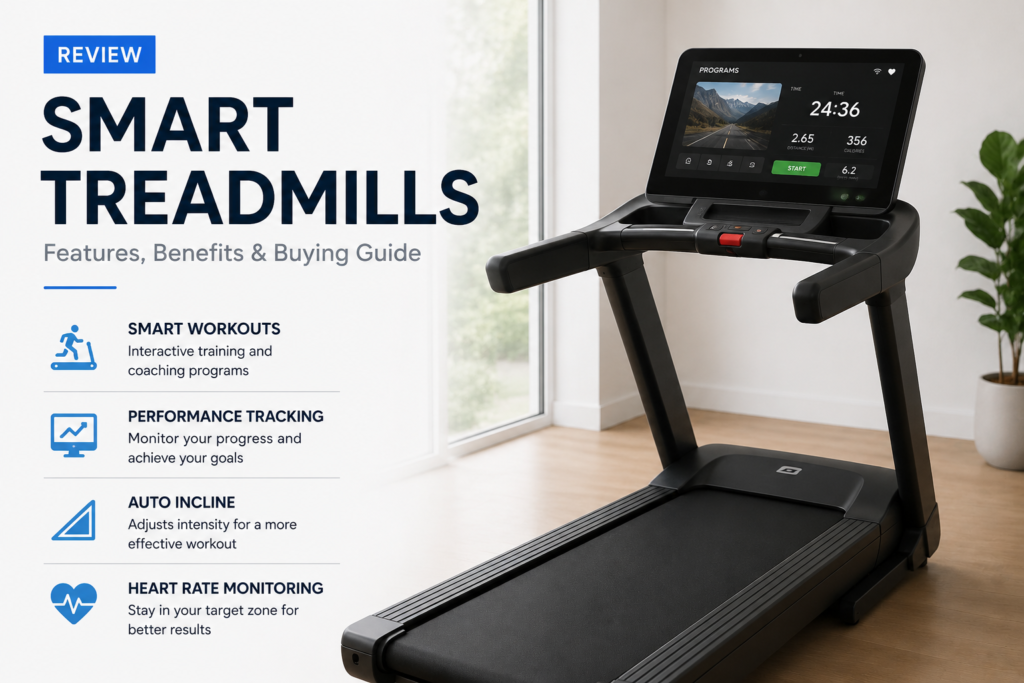
    A smart treadmill combines traditional cardio exercise equipment with modern technology. These machines often feature touchscreen displays, internet connectivity, workout apps, performance tracking, and integration with wearable fitness devices.

    Many models can automatically adjust speed and incline during guided workouts, creating a more immersive and effective exercise experience.

    Benefits of Using a Smart Treadmill

    Exercise Regardless of Weather

    Rain, snow, extreme heat, or poor air quality can disrupt outdoor workouts. A treadmill allows you to maintain a consistent fitness routine year-round.

    Convenient Home Workouts

    Having a treadmill at home eliminates travel time to a gym, making it easier to fit exercise into a busy schedule.

    Fitness Tracking

    Smart treadmills can monitor:

    • Distance traveled
    • Calories burned
    • Heart rate
    • Workout duration
    • Running pace
    • Elevation gain

    These metrics help users track progress and stay motivated.

    Interactive Training Programs

    Many treadmills offer virtual coaching sessions, scenic running routes, and personalized workout plans that keep exercise engaging.

    Suitable for All Fitness Levels

    Whether you prefer walking, jogging, interval training, or long-distance running, smart treadmills can accommodate various fitness levels and goals.

    Key Features to Look For

    Touchscreen Display

    A high-quality touchscreen provides easy access to workout programs, fitness metrics, entertainment options, and training content.

    Automatic Incline Adjustment

    Incline settings simulate uphill walking or running, increasing workout intensity and calorie burn.

    Performance Tracking

    Advanced models generate detailed workout reports and allow users to monitor long-term fitness improvements.

    App Integration

    Many treadmills connect to fitness apps, enabling users to participate in guided workouts and track exercise data across devices.

    Heart Rate Monitoring

    Built-in sensors or wearable integrations help users maintain target heart rate zones for more effective training.

    Folding Design

    For smaller homes or apartments, folding treadmills provide a space-saving solution without sacrificing functionality.

    Types of Smart Treadmills

    Walking Treadmills

    Designed primarily for walking and light exercise, these models are ideal for beginners, seniors, or users seeking low-impact workouts.

    Running Treadmills

    Built with more powerful motors and larger running surfaces, these treadmills support jogging and high-speed running sessions.

    Folding Treadmills

    Perfect for limited spaces, folding models can be stored when not in use.

    Commercial-Grade Treadmills

    These premium machines offer superior durability, advanced technology, and enhanced performance features suitable for serious athletes.

    How Much Do Smart Treadmills Cost?

    Prices vary depending on motor power, technology, build quality, and included features.

    Price RangeFeatures
    $300–$800Basic fitness tracking and manual programs
    $800–$1,500Touchscreens, app connectivity, incline controls
    $1,500–$3,000Interactive training, larger displays, advanced tracking
    $3,000+Premium construction, commercial-grade performance, immersive fitness experiences

    Investing in a quality treadmill often results in greater comfort, durability, and long-term reliability.

    Who Should Buy a Smart Treadmill?

    Smart treadmills are particularly beneficial for:

    • Busy professionals
    • Remote workers
    • Families
    • Seniors
    • Weight-loss enthusiasts
    • Runners training year-round
    • Individuals seeking convenient home workouts

    The versatility of modern treadmills makes them suitable for nearly every fitness level.

    Maintenance Tips

    Proper maintenance helps extend the lifespan of your treadmill:

    • Clean the running deck regularly
    • Wipe down displays and controls
    • Inspect belts for wear
    • Lubricate moving parts when recommended
    • Tighten loose hardware
    • Keep software updated

    Routine care can prevent costly repairs and maintain optimal performance.

    Future Trends in Smart Fitness Equipment

    The latest generation of smart treadmills continues to incorporate artificial intelligence, virtual coaching, and immersive training experiences. Some models now use adaptive workouts that automatically adjust difficulty based on user performance and fitness goals.

    As fitness technology evolves, smart treadmills are becoming more personalized, interactive, and effective than ever before.

    Final Thoughts

    A smart treadmill can be a valuable investment for anyone looking to improve cardiovascular health, maintain a consistent exercise routine, or enjoy the convenience of working out at home.

    By comparing features, budget, available space, and fitness goals, you can choose a treadmill that delivers long-term value and helps support a healthier lifestyle.

    Whether you’re walking for wellness, jogging for fitness, or training for your next race, today’s smart treadmills offer powerful tools to help you stay active and motivated from the comfort of your home.

  • Smart Vacuums for Modern Homes: Complete Buying Guide 2026

    Smart Vacuums for Modern Homes: Complete Buying Guide 2026

    Keeping a home clean can be challenging, especially for busy families, working professionals, and pet owners. Fortunately, smart vacuum technology has transformed household cleaning by automating one of the most time-consuming chores.

    Smart vacuums, often called robot vacuums, use advanced sensors, mapping technology, and mobile apps to clean floors with minimal human intervention. As these devices continue to evolve, they are becoming a popular addition to modern homes.

    In this guide, we’ll explore how smart vacuums work, their key benefits, important features, pricing, and tips for choosing the best model for your needs.

    What Is a Smart Vacuum?

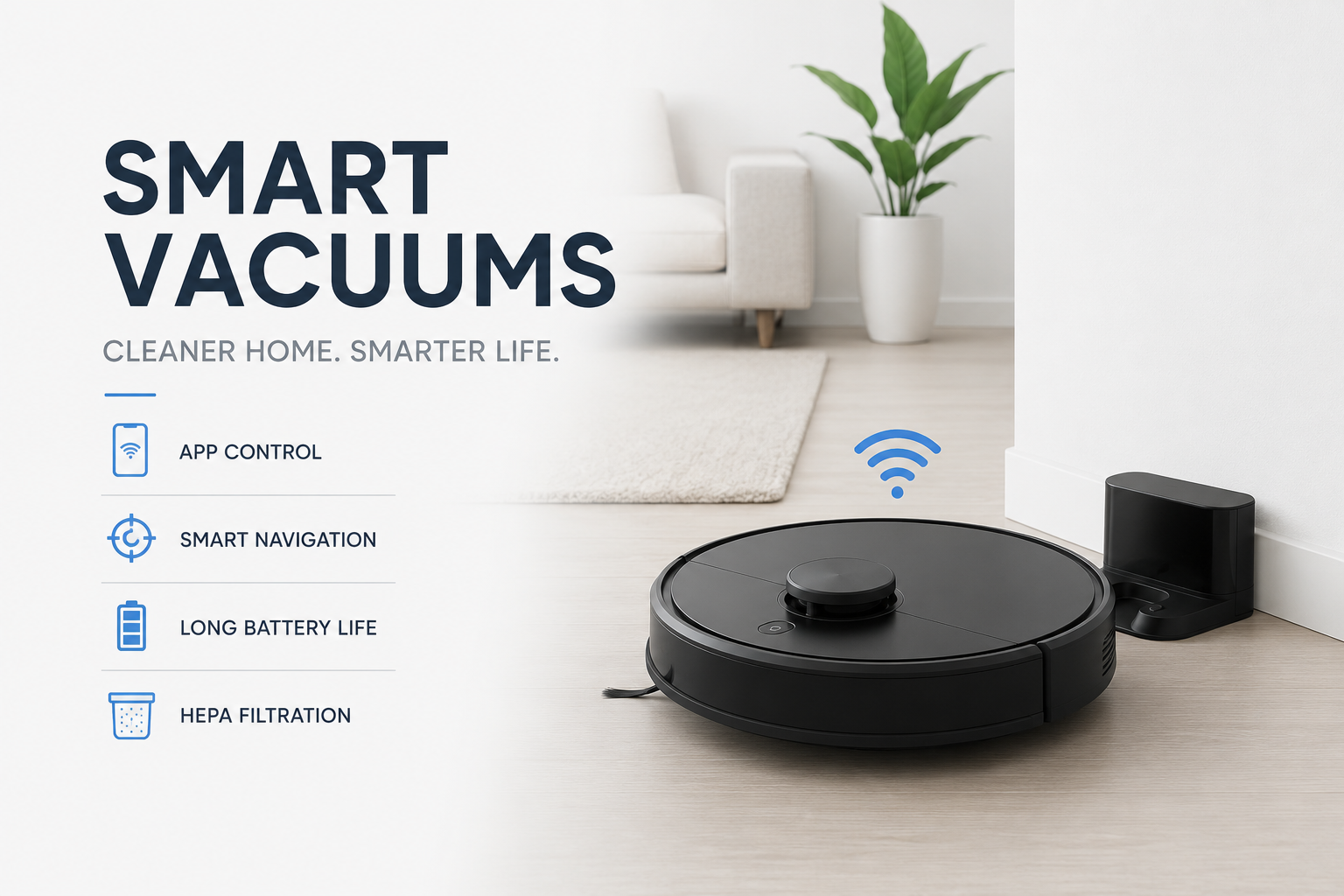
    A smart vacuum is an automated cleaning device designed to navigate and clean floors independently. Unlike traditional vacuum cleaners, smart vacuums use sensors and software to detect obstacles, map rooms, and follow efficient cleaning routes.

    Many modern models can be controlled through smartphone apps, voice assistants, and automated schedules.

    Benefits of Smart Vacuums

    Saves Time

    One of the biggest advantages of a smart vacuum is convenience. Instead of manually vacuuming every room, homeowners can schedule cleanings and let the device handle daily floor maintenance.

    Consistent Cleaning

    Smart vacuums can clean on a regular schedule, helping reduce dust, dirt, and allergens before they accumulate.

    Ideal for Pet Owners

    Many robot vacuums are specifically designed to handle pet hair, dander, and debris, making them valuable tools for households with dogs or cats.

    Reaches Difficult Areas

    Their low-profile design allows them to clean under beds, couches, tables, and other furniture that can be difficult to access with traditional vacuums.

    Smart Home Integration

    Many models work seamlessly with voice assistants, allowing users to start, stop, or schedule cleanings using simple voice commands.

    Key Features to Consider

    Smart Mapping Technology

    Advanced models create digital maps of your home, enabling more efficient cleaning patterns and room-specific controls.

    Obstacle Detection

    Modern smart vacuums can detect furniture, walls, cables, shoes, and other obstacles to avoid collisions and interruptions.

    Self-Emptying Stations

    Premium models automatically empty collected debris into a larger dustbin located at the charging station, reducing maintenance requirements.

    Mobile App Control

    Most smart vacuums include companion apps that allow users to:

    • Schedule cleanings
    • Monitor cleaning progress
    • Set no-go zones
    • Customize cleaning areas
    • Receive maintenance alerts

    Voice Assistant Compatibility

    Many smart vacuums integrate with popular voice-controlled smart home systems for hands-free operation.

    Multi-Surface Cleaning

    Quality models automatically adjust suction power when transitioning between hard floors, rugs, and carpets.

    Types of Smart Vacuums

    Entry-Level Robot Vacuums

    Designed for basic cleaning tasks, these models typically offer simple navigation and standard suction capabilities.

    Best for:

    • Small apartments
    • Budget-conscious buyers
    • Light daily cleaning

    Mid-Range Smart Vacuums

    These units often include improved mapping, stronger suction, and app-based controls.

    Best for:

    • Medium-sized homes
    • Families
    • Homes with pets

    Premium Smart Vacuums

    High-end models feature advanced AI navigation, self-emptying systems, object recognition, and highly detailed room mapping.

    Best for:

    • Large homes
    • Smart home enthusiasts
    • Busy households seeking maximum automation

    How Much Do Smart Vacuums Cost?

    Prices vary depending on features, navigation technology, and brand reputation.

    Price RangeFeatures
    $100–$300Basic navigation and cleaning functions
    $300–$700Smart mapping, app controls, improved suction
    $700–$1,200Self-emptying docks, advanced navigation, AI features
    $1,200+Premium smart home integration and top-tier performance

    While higher-priced models offer more automation, many mid-range options provide excellent value for most homeowners.

    Are Smart Vacuums Worth the Investment?

    For many households, smart vacuums offer a practical solution to everyday cleaning challenges. Although they may not completely replace traditional deep-cleaning methods, they significantly reduce the amount of manual vacuuming required.

    Benefits become especially noticeable for:

    • Families with children
    • Pet owners
    • Seniors
    • Busy professionals
    • Individuals with mobility limitations

    Maintenance Tips

    To maximize performance and lifespan:

    • Empty dust bins regularly
    • Clean brushes and rollers
    • Remove tangled hair and debris
    • Wipe sensors periodically
    • Replace filters according to manufacturer recommendations
    • Keep software updated when available

    Proper maintenance helps ensure consistent cleaning performance and reliable operation.

    Future Trends in Smart Vacuum Technology

    The next generation of smart vacuums is expected to include even more advanced artificial intelligence, enhanced object recognition, improved battery efficiency, and deeper integration with smart home ecosystems.

    Some manufacturers are already developing models capable of identifying specific objects, learning household cleaning habits, and providing detailed cleaning analytics.

    Final Thoughts

    Smart vacuums have become an increasingly valuable tool for maintaining cleaner homes with less effort. From simple entry-level models to advanced self-emptying systems, there are options available for nearly every budget and lifestyle.

    By understanding the available features, pricing, and performance capabilities, homeowners can select a smart vacuum that fits their needs and helps simplify daily cleaning routines for years to come.

  • Dining Furniture Sets in 2026: Simple Buying Guide for Smart Buyers

    Dining furniture sets remain one of the most important parts of any home. In 2026, homeowners are focusing on comfortable, durable, and stylish dining furnitures that improve everyday meals and family gatherings. Whether you are upgrading a kitchen dining area, a formal dining room, or a small apartment space, choosing the right dining furniture set can make a big difference.

    This guide will help you understand the latest dining furniture trends, how to choose the best dining furniture sets, and the pros and cons of different options.

    Why Dining Furniture Sets Matter in 2026

    Dining furniture sets are not just for eating. They are also used for:

    • Family gatherings
    • Holiday meals
    • Working or studying at home
    • Entertaining guests

    Modern homes now prioritize functional and stylish dining furniture sets that match the interior design while offering comfort and durability.

    Top Dining Furniture Trends in 2026

    1. Space-Saving Dining Furniture Sets

    Many homes today have smaller dining areas. Because of this, compact dining furniture sets and extendable dining tables are becoming very popular.

    Benefits:

    • Saves space
    • Ideal for apartments and condos
    • Flexible seating options

    2. Solid Wood Dining Furniture Sets

    Wooden dining furnitures continue to be a top choice because of their natural look and durability.

    Popular materials include:

    • Oak dining furniture sets
    • Walnut dining tables
    • Teak dining furniture

    Why homeowners choose them:

    • Long-lasting
    • Classic design
    • Easy to match with most interiors

    3. Modern Minimalist Dining Furniture

    Minimalist dining furniture sets with clean lines and neutral colors are trending in 2026.

    Common features include:

    • Slim metal frames
    • Glass dining tables
    • Neutral color chairs

    These designs work well in modern homes.

    4. Multi-Functional Dining Furniture

    Many buyers now prefer multi-purpose dining furniture sets that can also serve as workspaces or extendable tables.

    Examples include:

    • Expandable dining tables
    • Foldable dining sets
    • Storage benches

    These are perfect for smaller homes.

    How to Choose the Best Dining Furniture Sets

    Measure Your Dining Space

    Before buying a dining furniture set, measure the space carefully. Make sure there is enough room for chairs and walking space.

    A good rule is to leave at least 36 inches of space around the table.

    Choose the Right Table Shape

    Different table shapes fit different spaces.

    Rectangular dining tables

    • Best for large families
    • Fits long dining rooms

    Round dining tables

    • Ideal for small spaces
    • Encourages conversation

    Square dining tables

    • Good for compact dining areas

    Check Material Quality

    Good materials help dining furniture last longer.

    Common materials include:

    • Solid wood dining furniture
    • Glass dining tables
    • Metal dining frames
    • Engineered wood furniture

    Consider Seating Comfort

    Comfortable dining chairs are just as important as the table.

    Look for:

    • Padded seats
    • Ergonomic back support
    • Durable upholstery

    Types of Dining Furniture Sets (Pros and Cons)

    4-Seater Dining Furniture Sets

    Pros:

    • Perfect for small families
    • Affordable
    • Space-saving

    Cons:

    • Limited seating
    • Not ideal for large gatherings

    6-Seater Dining Furniture Sets

    Pros:

    • Great for families
    • Good balance of space and seating

    Cons:

    • Needs moderate dining room space

    8-Seater Dining Furniture Sets

    Pros:

    • Ideal for entertaining guests
    • Perfect for large homes

    Cons:

    • Expensive
    • Requires a large dining area

    Extendable Dining Furniture Sets

    Pros:

    • Flexible seating
    • Saves space when not extended

    Cons:

    • Moving parts may wear out
    • Usually more expensive

    Frequently Asked Questions About Dining Furniture Sets

    What is the best material for dining furniture sets?

    Solid wood dining furniture sets are considered the best because they are durable, strong, and long-lasting.

    How long do dining furniture sets last?

    High-quality dining furniture sets can last 10–20 years or more, especially if made from solid wood.

    What is the best dining table shape for small spaces?

    Round dining tables or square dining furniture sets work best for small dining areas.

    How many chairs should a dining table have?

    It depends on the table size. The most common options are 4-seater, 6-seater, and 8-seater dining furniture sets.

    Are extendable dining tables worth it?

    Yes. Extendable dining furniture sets provide flexibility for both everyday use and special occasions.

    Final Thoughts

    Dining furniture sets in 2026 focus on comfort, durability, and smart design. Whether you are looking for modern dining furniture sets, solid wood dining tables, or space-saving dining furnitures, choosing the right set can transform your dining experience.

    Invest in high-quality dining furniture, prioritize comfort, and select a style that matches your home. With the right dining furniture set, every meal can become a more enjoyable experience.

    Prime Flix

  • Buying an Electric Vehicle: Key Considerations & Essential Tips

    The electric vehicle revolution is in full swing, offering drivers a compelling blend of sustainability, lower operating costs, and exhilarating performance. However, transitioning from gasoline to electrons requires careful thought beyond just the showroom appeal. Here’s a comprehensive look at the crucial factors to evaluate and actionable tips to ensure a smooth, successful switch to your perfect EV:

    1. Driving Range & Battery Longevity: Beyond the Sticker

    • Reality Check: Don’t just look at the maximum range. Consider your real-world driving habits. Factor in highway speeds (which drain batteries faster), climate control use, cargo load, and terrain. Tip: Subtract 10-20% from the EPA range estimate for a more practical daily figure, especially in colder climates.
    • Battery Health is Wealth: Degradation is normal. Tip: Research the manufacturer’s specific battery chemistry (e.g., LFP batteries often last longer with more frequent full charges). Understand the warranty (typically 8 years/100k miles for 70-80% capacity retention). Tip: Maximize longevity by avoiding frequent deep discharges (<20%) and extreme fast charging when possible. Pre-conditioning the battery (via the car’s app) before fast charging in cold weather helps.

    2. Home Charging Solutions: Your Electric Fuel Station

    • Level 1 vs. Level 2: Level 1 (standard outlet) is painfully slow (3-5 miles per hour). Tip: Level 2 (240V) is essential for most owners. It adds 20-40+ miles per hour.
    • Installation Savvy:
      • Panel Check: Consult a qualified electrician before buying to assess if your home’s electrical panel has capacity for a Level 2 charger (often requiring a 40-60 amp circuit). Upgrading a panel adds significant cost.
      • Outlet Option: A NEMA 14-50 outlet (like for a dryer) is often cheaper to install than a hardwired station and offers flexibility. Tip: Choose a UL-listed charger.
      • Incentive Hunting: Aggressively research federal, state, local, and utility company rebates for charger purchase and installation (e.g., Database of State Incentives for Renewables & Efficiency – dsireusa.org).
      • Renter/Urban Solutions: Tip: Negotiate charger installation with your landlord. Explore options like shared building chargers, curbside charging programs, or reliable nearby public stations. Portable Level 2 chargers (with appropriate outlets) offer flexibility.

    3. Public Charging & Fast Charging: Navigating the Network

    • Infrastructure Reality: Availability varies wildly. Tip: Use apps like PlugShare, ChargePoint, and ABRP (A Better Route Planner) before purchase to map reliable chargers near home, work, and common routes. Check recent user reviews for reliability.
    • Fast Charging Strategy (DC Fast Charging – DCFC):
      • Memberships & Costs: Sign up for major network apps (Electrify America, EVgo, ChargePoint, Tesla Supercharger if compatible). Tip: Compare pricing (per kWh vs. per minute) and consider subscription plans if you fast charge often.
      • Battery Impact: Frequent DCFC can accelerate degradation. Tip: Reserve fast charging primarily for road trips. When using DCFC, charging from 20% to 80% is usually fastest and gentler on the battery than going to 100%.
      • Etiquette: Tip: Don’t “charge hog” – move your car promptly when charging completes (enable notifications). Park in EV spots only while charging.

    4. Cost of Ownership & Savings: Crunching the Real Numbers

    • Upfront vs. Long-Term: Yes, the sticker price is often higher. Tip: Factor in available federal tax credits (up to $7,500 – check IRS eligibility) and any state/local rebates immediately. Calculate potential savings:
      • Fuel: Compare electricity cost (your home rate in $/kWh) vs. gas cost for a comparable ICE car. EVs are typically 3-5x cheaper per mile.
      • Maintenance: Significant savings: No oil changes, fewer brake jobs (thanks to regen braking), no exhaust system, fewer fluids. Tip: Tires might wear faster due to instant torque and weight.
      • Insurance: Tip: Get quotes before buying – EV insurance can sometimes be higher.
    • Hidden Costs: Consider potential increases in home electricity bills and public charging costs.

    5. Performance & Driving Experience: Embrace the Future

    • Instant Torque: Enjoy smooth, rapid acceleration. Tip: Test drive multiple EVs to feel the differences in power delivery and regenerative braking settings.
    • Regen Braking: This recaptures energy when slowing down. Tip: Start with a lower regen setting and gradually increase it; many drivers love “one-pedal driving” once accustomed.
    • Cold Weather Impact: Range will drop significantly (30-50% in extreme cold). Tip: Pre-condition the battery while plugged in before driving. Use seat heaters instead of cabin heat when possible for efficiency. Garage parking helps.

    6. Vehicle Size & Utility: Match Your Life

    • Beyond the Hatchback: EVs now span compact cars, sedans, SUVs of all sizes, and capable trucks. Tip: Honestly assess cargo needs (including bulky items like strollers or sports gear), passenger frequency, and any towing requirements before narrowing choices. Check real-world towing range impacts.

    7. Technology & Software Integration: The Digital Cockpit

    • Infotainment & Updates: Screens and software vary hugely. Tip: Prioritize intuitive interfaces during test drives. Over-the-air (OTA) updates are a major plus for adding features and fixes.
    • Charging Integration: Built-in nav systems with charging stop planning (e.g., GM Ultifi, Ford BlueCruise, Tesla Navigation) are incredibly helpful for trips. Tip: Ensure smartphone integration (Apple CarPlay/Android Auto) works flawlessly if you prefer it.
    • Driver Assistance: Evaluate available features (adaptive cruise, lane keeping, etc.) and their effectiveness. Tip: Don’t assume “Autopilot” means full self-driving.

    8. Resale Value & Brand Reliability: Protecting Your Investment

    • Rapid Evolution = Depreciation Risk: Early or niche models may depreciate faster. Tip: Research brand reputation for reliability and build quality. Established automakers and Tesla tend to hold value better currently. Look at battery warranty length and transferability.
    • Battery Health Report: Tip: Ask dealers for a battery state-of-health report (SOH%) on used EVs – it’s crucial for understanding remaining range and value.

    Bonus Tips for a Seamless Transition:

    • Test Drive Thoroughly: Focus on comfort, visibility, tech usability, and charging port location (front, side, rear matters for some parking setups).
    • Plan Your First Road Trip: Use ABRP before buying to simulate a common trip. Understand charging times and locations.
    • Consider Charging Speed: Look beyond range; a car with a higher peak charging rate (kW) will spend less time at DCFC stops on trips.
    • Home Energy Monitor: Tip: Consider a home energy monitor (like Sense or Emporia) to track EV charging costs precisely and understand its impact on your bill.
    • Join the Community: Online forums (Reddit, brand-specific groups) are invaluable for real-world tips, troubleshooting, and learning.

    The Bottom Line:

    Switching to an EV is an exciting step towards a more sustainable and often more enjoyable driving future. Success lies in meticulous planning that aligns the vehicle’s capabilities with your lifestyle, driving patterns, budget, and home infrastructure. By carefully considering the factors above and implementing these practical tips, you’ll be well-equipped to navigate the EV landscape confidently and find the perfect electric match for your journey. The electric future is here – make it yours wisely.

  • Essential Home Furniture this 2025

    Essential home furniture, highlighting key styles, pros, cons, materials, and tips for choosing the right pieces for your space:


    1. Sofa/Sectional

    Price Range: $500–$5,000+
    Key Specs:

    • Materials: Leather, fabric, microfiber, velvet.
    • Sizes: Apartment-friendly (72″) to large sectionals (120″+).
      Pros:
    • Central living room focal point; ideal for lounging and entertaining.
    • Modular sectionals adapt to room layouts.
    • High-end options (e.g., Restoration Hardware) offer durability and timeless design.
      Cons:
    • Cheap fabrics stain easily; leather requires conditioning.
    • Bulky designs may overwhelm small spaces.
    • Assembly challenges for modular units.
      Summary: Invest in a neutral, durable fabric or leather sofa for longevity. Prioritize removable/washable covers for households with kids or pets.

    2. Bed Frame

    Price Range: $200–$3,000+
    Key Specs:

    • Types: Platform, canopy, storage, upholstered.
    • Materials: Solid wood, metal, MDF.
      Pros:
    • Storage beds maximize space (drawers or under-bed storage).
    • Upholstered headboards add comfort and style.
    • Platform beds eliminate the need for box springs.
      Cons:
    • Heavy wooden frames are hard to move.
    • Cheap MDF may warp over time.
    • Canopy beds collect dust.
      Summary: Choose a sturdy wood or metal frame for durability. Opt for low-profile designs in small bedrooms.

    3. Dining Table

    Price Range: $300–$4,000+
    Key Specs:

    • Materials: Solid wood (oak, walnut), glass, marble.
    • Shapes: Rectangular, round, extendable.
      Pros:
    • Extendable tables save space (e.g., IKEA Norden).
    • Solid wood ages beautifully; marble adds luxury.
    • Round tables encourage conversation in cozy spaces.
      Cons:
    • Glass tops show fingerprints and scratches.
    • Heavy materials (stone, solid wood) are hard to move.
    • Cheap veneers peel or chip.
      Summary: For daily use, pick a scratch-resistant wood or laminate. Extendable designs suit multifunctional spaces.

    4. Wardrobe/Armoire

    Price Range: $400–$3,000+
    Key Specs:

    • Types: Freestanding, built-in, sliding door.
    • Materials: MDF, plywood, solid wood.
      Pros:
    • Built-in wardrobes maximize storage in small rooms.
    • Mirrored doors save space and add functionality.
    • Customizable interiors (shelves, drawers, hanging rods).
      Cons:
    • Particleboard units sag under heavy loads.
    • Sliding doors require track maintenance.
    • Assembly can be time-consuming.
      Summary: For long-term use, invest in solid wood or plywood. Use freestanding units for rental flexibility.

    5. Coffee Table

    Price Range: $100–$2,000+
    Key Specs:

    • Styles: Lift-top, storage, nesting, ottoman.
    • Materials: Wood, metal, glass, stone.
      Pros:
    • Lift-tops double as workspaces or dining surfaces.
    • Ottoman-style tables offer hidden storage.
    • Nesting tables adapt to small spaces.
      Cons:
    • Sharp edges (e.g., marble) are risky for kids.
    • Glass tops require frequent cleaning.
    • Lightweight materials tip easily.
      Summary: Opt for rounded edges and multifunctional designs (storage or adjustable height).

    6. Bookshelf/Storage Unit

    Price Range: $150–$2,500+
    Key Specs:

    • Types: Ladder, cube, built-in, floating.
    • Materials: Wood, metal, acrylic.
      Pros:
    • Adjustable shelves accommodate books, decor, and bins.
    • Cube organizers (e.g., IKEA Kallax) are modular and kid-friendly.
    • Floating shelves save floor space.
      Cons:
    • Overloaded shelves may sag or collapse.
    • Open designs collect dust.
    • Cheap units wobble or lean.
      Summary: Anchor tall bookshelves to walls for safety. Use baskets in cube units for clutter control.

    7. Desk/Workspace

    Price Range: $200–$2,000+
    Key Specs:

    • Types: Writing desk, standing desk, L-shaped.
    • Materials: Wood, metal, tempered glass.
      Pros:
    • Standing desks (e.g., Uplift V2) improve posture and focus.
    • Built-in cable management reduces clutter.
    • Small writing desks fit in corners or studios.
      Cons:
    • Cheap particleboard desks warp under monitors.
    • Manual standing desks are tedious to adjust.
    • Glass desks show smudges and scratches.
      Summary: Prioritize ergonomic height and cable management for home offices.

    8. Accent Chair

    Price Range: $150–$2,500+
    Key Specs:

    • Styles: Recliner, wingback, lounge, swivel.
    • Materials: Velvet, linen, leather.
      Pros:
    • Adds color and texture to neutral rooms.
    • Swivel chairs enhance conversation flow.
    • Compact designs (e.g., Poäng from IKEA) suit small spaces.
      Cons:
    • Low-quality cushions flatten quickly.
    • Ornate designs may clash with minimalist decor.
    • Leather requires maintenance to avoid cracking.
      Summary: Choose washable fabrics for high-traffic areas. Test comfort before buying!

    9. Entertainment Center/TV Stand

    Price Range: $200–$3,000+
    Key Specs:

    • Types: Wall-mounted, console, media cabinets.
    • Materials: Wood, metal, engineered stone.
      Pros:
    • Conceals cords and media equipment.
    • Open shelving displays decor; closed cabinets hide clutter.
    • Wall-mounted units save floor space.
      Cons:
    • Large units dominate small living rooms.
    • Glass doors show dust and fingerprints.
    • Cheap materials lack stability for heavy TVs.
      Summary: Match the unit’s width to your TV size. Opt for cord-management features.

    10. Outdoor Furniture

    Price Range: $300–$5,000+
    Key Specs:

    • Materials: Teak, aluminum, wicker, polyethylene.
    • Styles: Dining sets, lounge chairs, sectionals.
      Pros:
    • Weather-resistant materials (e.g., Polywood) withstand sun/rain.
    • Foldable chairs and tables save storage space.
    • Cushions with UV-resistant fabric last longer.
      Cons:
    • Cheap wicker frays in harsh weather.
    • Metal frames rust without proper coating.
    • Cushions require seasonal storage.
      Summary: Invest in rust-proof aluminum or synthetic wicker for longevity. Use covers during off-seasons.

    Bonus: Small Furniture Essentials

    • Ottomans ($50–$500): Dual-purpose as footrests or extra seating.
    • Benches ($100–$800): Perfect for entryways or dining nooks.
    • Bar Carts ($80–$400): Mobile storage for drinks or decor.

    Key Trends in 2025:

    1. Multifunctional Furniture: Sofa beds, storage ottomans, and foldable desks for small spaces.
    2. Sustainable Materials: Reclaimed wood, bamboo, and recycled metal.
    3. Curved Designs: Rounded sofas and organic shapes soften modern interiors.
    4. Vintage Revival: Mid-century modern and art deco-inspired pieces.

    Final Tips:

    • Measure your space twice before buying!
    • Prioritize comfort and durability over trends for high-use items.
    • Mix textures (wood, metal, fabric) to add visual interest.

    Upgrade your home room by room, starting with the most-used areas like the living room and bedroom!