





• Best Air Purifiers for Home 2026: Reviews, Comparison & Buying Guide

    Best Air Purifiers for Home 2026: Reviews, Comparison & Buying Guide

    Indoor air quality has become an important concern for many homeowners. Dust, pet hair, pollen, smoke, and other airborne particles can affect the comfort of your home and the quality of the air you breathe. Air purifiers are designed to remove unwanted particles from the air and create a cleaner indoor environment. Modern air purifiers…


  • Smart TVs for Modern Homes: Features, Benefits, Buying Guide, FAQs, and Best Models in 2026

    Smart TVs for Modern Homes: Features, Benefits, Buying Guide, FAQs, and Best Models in 2026

    A Smart TV is one of the best upgrades you can make for your home. It does much more than show regular TV channels. With internet access, built-in apps, and excellent picture quality, a Smart TV lets you enjoy movies, live sports, games, music, and online videos from one device. Today, Smart TVs are available…


  • Smart Washing Machines for Modern Homes: Complete Buying Guide 2026

    Smart Washing Machines for Modern Homes: Complete Buying Guide 2026

    Doing laundry is a regular household task, but modern technology has made it easier than ever. Smart washing machines are designed to save time, improve efficiency, and give homeowners more control over their laundry routines. With features like smartphone controls, automatic detergent dispensing, and energy-saving technology, smart washing machines are becoming a popular choice for…


  • Smart Treadmills for Home Fitness: Complete Buying Guide 2026

    Smart Treadmills for Home Fitness: Complete Buying Guide 2026

    Smart Treadmills for Home Fitness: Features, Benefits, Costs, and Buying Guide Home fitness has become increasingly popular, and treadmills remain one of the most effective and convenient exercise machines available. Today’s smart treadmills offer far more than basic walking and running capabilities. With advanced technology, interactive workouts, and fitness tracking features, they can transform any…


  • Smart Vacuums for Modern Homes: Complete Buying Guide 2026

    Smart Vacuums for Modern Homes: Complete Buying Guide 2026

    Keeping a home clean can be challenging, especially for busy families, working professionals, and pet owners. Fortunately, smart vacuum technology has transformed household cleaning by automating one of the most time-consuming chores. Smart vacuums, often called robot vacuums, use advanced sensors, mapping technology, and mobile apps to clean floors with minimal human intervention. As these…


  • Everything You Need to Know About Sofas and Sectionals: Styles, Materials, Pricing, and Smart Shopping Tips

    Everything You Need to Know About Sofas and Sectionals: Styles, Materials, Pricing, and Smart Shopping Tips

    When it comes to furnishing a living room, few pieces have a bigger impact than a sofa or sectional. These seating options often become the focal point of a home, serving as the place where families gather, guests relax, and everyday life unfolds. With so many designs, upholstery choices, and price points available, selecting the…


  • The Complete Guide to Outdoor Coffee Tables: Styles, Materials, Costs, and Buying Tips

    The Complete Guide to Outdoor Coffee Tables: Styles, Materials, Costs, and Buying Tips

    Outdoor coffee tables are more than just decorative patio pieces — they bring function, comfort, and style to your outdoor living space. Whether you are designing a cozy backyard lounge, a modern poolside setup, or a relaxing balcony retreat, the right outdoor coffee table can transform the entire atmosphere. With many materials, styles, and price…


  • The Complete Guide to Furniture Styles, Materials, Costs, and Buying Tips

    IntroductionChoosing furniture shapes how a home looks and functions. This guide breaks down the most common furniture styles, construction materials, expected costs, and practical buying tips so you can make confident choices for every room. Popular Furniture Styles Materials and Construction Price Expectations (U.S. market ranges) Practical Buying Tips Styling and Placement Tips Common Mistakes…


  • Dining Furniture Sets in 2026: Simple Buying Guide for Smart Buyers

    Dining furniture sets remain one of the most important parts of any home. In 2026, homeowners are focusing on comfortable, durable, and stylish dining furnitures that improve everyday meals and family gatherings. Whether you are upgrading a kitchen dining area, a formal dining room, or a small apartment space, choosing the right dining furniture set…


  • Ultimate Patio Makeover Guide: Transform Your Outdoor Space into a Stylish Retreat

    Is your patio looking tired, dull, or outdated? You don’t need to spend thousands to enjoy a stunning outdoor transformation. With the right furniture, smart shopping tips, and creative décor ideas, you can give your patio a budget-friendly makeover that feels like a brand-new living space. Whether you have a small balcony in the city…


Author: admin

  • Best Air Purifiers for Home 2026: Reviews, Comparison & Buying Guide

    Best Air Purifiers for Home 2026: Reviews, Comparison & Buying Guide

    Indoor air quality has become an important concern for many homeowners. Dust, pet hair, pollen, smoke, and other airborne particles can affect the comfort of your home and the quality of the air you breathe.

    Air purifiers are designed to remove unwanted particles from the air and create a cleaner indoor environment. Modern air purifiers now include smart features such as app control, air quality monitoring, automatic modes, and voice assistant support.

    With many brands and models available, choosing the right air purifier can be difficult. This guide compares some of the best air purifiers in 2026, explains their features, and helps you find the right option for your home.


    What Is an Air Purifier?

    An air purifier is a device that uses filters and air-cleaning technology to remove pollutants from indoor air.

    Most air purifiers use a combination of:

    • HEPA filters to capture small particles
    • Activated carbon filters to reduce odors and gases
    • Pre-filters to capture larger particles like dust and pet hair
    • Smart sensors to monitor air quality

    Benefits of Using an Air Purifier

    Reduces Dust and Allergens

    Air purifiers can help remove common indoor allergens such as:

    • Dust
    • Pollen
    • Pet dander
    • Mold spores

    This can help create a more comfortable environment, especially during allergy seasons.

    Helps Remove Smoke and Odors

    Activated carbon filters can reduce unpleasant smells from cooking, pets, smoke, and other household odors.

    Improves Indoor Air Quality

    Smart air purifiers continuously monitor air conditions and adjust cleaning power automatically when pollution levels increase.

    Better Sleep Environment

    Cleaner air with reduced dust and allergens can help create a more comfortable bedroom environment.

    Helpful for Pet Owners

    Pet owners can benefit from air purifiers that capture pet hair, dander, and odors.


    Important Features to Consider

    True HEPA Filter

    A True HEPA filter is one of the most important features because it captures very small airborne particles.

    Room Coverage

    Choose a purifier based on the size of your room.

    • Small rooms: Bedrooms and offices
    • Medium rooms: Living rooms and apartments
    • Large rooms: Open spaces and large homes

    Air Quality Sensors

    Smart sensors detect pollution levels and automatically adjust fan speed.

    Noise Level

    A quieter air purifier is important for bedrooms and workspaces.

    Smart App Control

    Many modern models allow users to:

    • Monitor air quality
    • Adjust settings
    • Schedule operation
    • Receive filter replacement alerts

    Filter Replacement Cost

    A cheaper purifier may have expensive replacement filters. Always consider long-term maintenance costs.


    Best Air Purifiers in 2026 Comparison

    ModelBest ForRoom CoverageKey FeaturesPrice Range
    Coway Airmega AP-1512HHBest OverallMedium RoomsTrue HEPA, air quality sensor, quiet operation$150–$250
    Levoit Core 600SLarge RoomsLarge SpacesSmart app, high airflow, voice control$250–$350
    Dyson Purifier Big+QuietPremium ChoiceLarge RoomsAdvanced filtration, smart sensors, premium design$900+
    Blueair Blue Pure 211+Best ValueLarge RoomsStrong cleaning power, simple controls$250–$350
    Winix 5500-2Budget FriendlyMedium RoomsHEPA filter, carbon filter, air quality monitoring$150–$220

    Detailed Air Purifier Reviews

    Coway Airmega AP-1512HH

    Best Overall Air Purifier

    The Coway Airmega AP-1512HH remains one of the most popular air purifiers because it offers excellent performance at a reasonable price.

    Features:

    • True HEPA filtration
    • Air quality indicator
    • Automatic fan adjustment
    • Energy-efficient operation
    • Compact design

    Pros:

    ✔ Excellent filtration performance
    ✔ Affordable replacement filters
    ✔ Quiet operation
    ✔ Great for bedrooms and living rooms

    Cons:

    ✘ No advanced smart app features

    Best For: Most homes looking for reliable air cleaning.


    Levoit Core 600S

    Best Smart Air Purifier

    The Levoit Core 600S is designed for larger spaces and includes smart home features.

    Features:

    • Wi-Fi connectivity
    • Smartphone app control
    • Voice assistant support
    • High air circulation rate
    • Large room coverage

    Pros:

    ✔ Excellent for large rooms
    ✔ Smart controls
    ✔ Strong cleaning performance

    Cons:

    ✘ Replacement filters can be expensive

    Best For: Families and smart home users.


    Dyson Purifier Big+Quiet

    Best Premium Air Purifier

    Dyson is known for advanced technology and premium designs. The Big+Quiet model focuses on powerful purification with quieter operation.

    Features:

    • Advanced particle detection
    • Premium filtration system
    • Smart monitoring
    • Modern design

    Pros:

    ✔ Excellent build quality
    ✔ Advanced technology
    ✔ Quiet performance

    Cons:

    ✘ Very expensive

    Best For: Users who want premium performance and design.


    Blueair Blue Pure 211+

    Best Value for Large Rooms

    Blueair offers powerful air cleaning with a simple and modern design.

    Features:

    • High airflow performance
    • Particle and odor filtration
    • Large room coverage
    • Easy controls

    Pros:

    ✔ Strong performance
    ✔ Simple operation
    ✔ Good value

    Cons:

    ✘ Limited smart features

    Best For: Large rooms without needing advanced technology.


    Winix 5500-2

    Best Budget Option

    The Winix 5500-2 provides excellent filtration features at an affordable price.

    Features:

    • True HEPA filter
    • Activated carbon filter
    • Air quality sensor
    • Automatic mode

    Pros:

    ✔ Affordable
    ✔ Effective filtration
    ✔ Good for bedrooms

    Cons:

    ✘ Basic design

    Best For: Budget-conscious buyers.


    Air Purifier Buying Guide

    Before buying an air purifier, consider:

    Room Size

    Always choose a model designed for your room size. A small purifier may not clean a large living room effectively.

    Filter Type

    Look for True HEPA filters and activated carbon filters for better overall performance.

    Noise Level

    If you plan to use it in a bedroom, choose a model with a quiet sleep mode.

    Operating Costs

    Check the cost and availability of replacement filters.

    Smart Features

    Smart controls are useful but not required. Focus first on cleaning performance.


    Frequently Asked Questions (FAQ)

    Do air purifiers really work?

    Yes. Quality air purifiers with HEPA filters can reduce airborne particles such as dust, pollen, and pet dander.

    Should I leave my air purifier running all day?

    Many air purifiers are designed to run continuously. Using automatic mode allows the device to adjust performance based on air quality.

    Where should I place an air purifier?

    Place it in an open area where air can circulate freely. Avoid placing it behind furniture or against walls.

    How often should I replace the filter?

    Most filters need replacement every 6 to 12 months, depending on usage and air quality.

    Can an air purifier remove odors?

    Yes. Models with activated carbon filters can help reduce odors from cooking, smoke, and pets.


    Final Thoughts

    The best air purifier depends on your room size, budget, and personal needs.

    For most homeowners, the Coway Airmega AP-1512HH offers the best balance of performance and affordability. If you need smart features and larger coverage, the Levoit Core 600S is an excellent choice. For premium buyers, the Dyson Purifier Big+Quiet provides advanced technology and luxury design.

    Investing in a quality air purifier can help create a cleaner, fresher, and more comfortable home environment in 2026.

  • Smart TVs for Modern Homes: Features, Benefits, Buying Guide, FAQs, and Best Models in 2026

    Smart TVs for Modern Homes: Features, Benefits, Buying Guide, FAQs, and Best Models in 2026

    A Smart TV is one of the best upgrades you can make for your home. It does much more than show regular TV channels. With internet access, built-in apps, and excellent picture quality, a Smart TV lets you enjoy movies, live sports, games, music, and online videos from one device.

    Today, Smart TVs are available in many sizes and price ranges. Whether you’re buying your first Smart TV or replacing an older television, this guide will help you understand the important features and choose the right model for your home.

    What Is a Smart TV?

    A Smart TV is a television that connects to the internet through Wi-Fi or an Ethernet cable. It comes with built-in apps that allow you to stream movies, TV shows, sports, and music without needing a separate streaming device.

    Many Smart TVs also support voice assistants, smartphone screen sharing, and automatic software updates.

    Benefits of a Smart TV

    Watch Your Favorite Streaming Services

    Most Smart TVs include popular streaming apps, allowing you to watch thousands of movies and TV shows whenever you want.

    Better Picture Quality

    Modern Smart TVs offer bright colors, sharp images, and smooth motion, making movies and sports more enjoyable.

    Internet Browsing

    Some Smart TVs include a web browser, allowing you to visit websites or search for information directly from your television.

    Voice Control

    Many Smart TVs allow you to search for movies, adjust the volume, or change channels using simple voice commands.

    Connect Your Smartphone

    You can easily display photos, videos, games, or presentations from your smartphone or tablet on a larger screen.

    Smart Home Compatibility

    Some Smart TVs can work with compatible smart home devices, giving you more control over your connected home.

    Important Features to Look For

    4K Resolution

    A 4K TV provides much sharper images than Full HD, making movies and games look more realistic.

    HDR Support

    HDR improves brightness, contrast, and colors for a better viewing experience.

    Wi-Fi Connectivity

    Built-in Wi-Fi allows your TV to connect to the internet without extra cables.

    Bluetooth

    Bluetooth lets you connect wireless headphones, speakers, keyboards, and gaming controllers.

    HDMI Ports

    Having multiple HDMI ports makes it easy to connect gaming consoles, soundbars, Blu-ray players, and streaming devices.

    Fast Operating System

    A responsive operating system makes it easier to switch between apps and navigate menus quickly.

    Different Types of Smart TVs

    LED Smart TVs

    LED TVs are affordable, reliable, and perfect for everyday viewing.

    Best for:

    • Families
    • Students
    • Budget-conscious buyers

    QLED Smart TVs

    QLED TVs produce brighter colors and perform well in bright rooms.

    Best for:

    • Sports fans
    • Bright living rooms
    • Everyday entertainment

    OLED Smart TVs

    OLED technology delivers outstanding picture quality with deep black levels and vibrant colors.

    Best for:

    • Movie lovers
    • Home theaters
    • Gamers

    Mini-LED Smart TVs

    Mini-LED TVs combine excellent brightness with improved contrast, making them a great choice for premium viewing.

    Best for:

    • Large rooms
    • Family entertainment
    • Premium viewing experiences

    Smart TV Price Guide

    Price RangeWhat You Can Expect
    $200–$500Basic Smart TVs with Full HD or entry-level 4K
    $500–$1,000Larger screens, HDR support, and better performance
    $1,000–$2,500Premium QLED or OLED displays with advanced features
    $2,500+Luxury Smart TVs with top-tier picture quality and large screens

    Who Should Buy a Smart TV?

    A Smart TV is ideal for:

    • Families
    • Movie lovers
    • Sports fans
    • Gamers
    • Students
    • Remote workers
    • Anyone upgrading an older television

    Tips Before Buying

    Before making your purchase, consider the following:

    • Measure your available space.
    • Choose a screen size that fits your room.
    • Decide whether you need LED, QLED, OLED, or Mini-LED technology.
    • Check the number of HDMI and USB ports.
    • Compare energy efficiency ratings.
    • Read customer reviews before buying.

    Maintenance Tips

    To keep your Smart TV working properly:

    • Clean the screen with a soft microfiber cloth.
    • Keep the TV away from direct sunlight.
    • Do not spray cleaning liquids directly onto the screen.
    • Install software updates when available.
    • Use a surge protector to help protect against electrical damage.

    Proper care can help your television last for many years.

    Frequently Asked Questions (FAQ)

    What is the difference between a Smart TV and a regular TV?

    A Smart TV connects to the internet and includes built-in streaming apps. A regular TV requires additional devices to access online content.

    Do I need internet for a Smart TV?

    Internet is required for streaming apps, software updates, and online features. However, you can still watch cable TV, DVDs, or play games without an internet connection.

    Is 4K better than Full HD?

    Yes. A 4K TV offers higher resolution, sharper images, and more detailed picture quality than Full HD.

    Which screen size is best?

    • 32–43 inches for bedrooms
    • 50–55 inches for medium-sized living rooms
    • 65–75 inches for larger spaces
    • 85 inches or larger for home theaters

    Can I connect my phone to a Smart TV?

    Yes. Most Smart TVs support wireless screen mirroring or casting from compatible smartphones and tablets.

    How long does a Smart TV last?

    Most quality Smart TVs last between 7 and 10 years with proper maintenance.

    Most Popular Smart TVs in 2026

    Several Smart TVs have become popular because of their excellent performance, value, and customer satisfaction.

    Samsung Crystal UHD Series

    A reliable choice for everyday viewing with sharp 4K picture quality and an easy-to-use interface.

    Best For: Families and general entertainment.

    LG OLED evo Series

    Known for outstanding picture quality, deep black levels, and vibrant colors.

    Best For: Movie lovers and home theater enthusiasts.

    Sony BRAVIA Series

    Offers excellent color accuracy and smooth motion, making it a favorite for sports and movies.

    Best For: Premium entertainment.

    TCL Mini-LED Series

    Provides bright images and strong gaming performance at an affordable price.

    Best For: Budget-conscious buyers and gamers.

    Hisense U Series

    Combines advanced features with competitive pricing, offering excellent value for money.

    Best For: Families looking for premium features without a premium price.

    Final Thoughts

    A Smart TV is more than just a television—it’s an all-in-one entertainment center. Whether you enjoy streaming movies, watching live sports, gaming, or browsing online content, today’s Smart TVs make entertainment easier and more enjoyable.

    Before buying, compare screen size, display technology, features, and your budget. Taking the time to choose the right model will help you enjoy years of high-quality entertainment.

    With so many excellent options available in 2026, there is a Smart TV for every home and every budget.

  • Smart Washing Machines for Modern Homes: Complete Buying Guide 2026

    Smart Washing Machines for Modern Homes: Complete Buying Guide 2026

    Doing laundry is a regular household task, but modern technology has made it easier than ever. Smart washing machines are designed to save time, improve efficiency, and give homeowners more control over their laundry routines.

    With features like smartphone controls, automatic detergent dispensing, and energy-saving technology, smart washing machines are becoming a popular choice for families and busy households.

    In this guide, you’ll learn what smart washing machines are, their benefits, important features, pricing, and tips for choosing the right model for your home.

    What Is a Smart Washing Machine?

    A smart washing machine is a washer that connects to your home’s Wi-Fi network and can be controlled using a smartphone app. These machines often include advanced sensors and automation features that help improve washing performance while using less water and electricity.

    Many models can send notifications when a wash cycle is complete and allow users to start or monitor laundry remotely.

    Benefits of Smart Washing Machines

    Saves Time

    Smart washing machines can automate many laundry tasks, helping users spend less time managing loads and more time on other activities.

    Remote Control

    Using a mobile app, you can start, pause, or monitor your washing machine from almost anywhere.

    Energy Efficiency

    Many smart washers are designed to reduce water and energy consumption, which may help lower utility bills over time.

    Better Cleaning Performance

    Advanced sensors automatically adjust water levels, wash times, and spin speeds based on the size and type of each load.

    Helpful Notifications

    Users receive alerts when cycles finish, when maintenance is needed, or when detergent levels are low.

    Key Features to Look For

    Wi-Fi Connectivity

    Wi-Fi allows the washing machine to connect with your smartphone for remote access and monitoring.

    Mobile App Control

    Most smart washing machines include apps that allow users to:

    • Start and stop cycles
    • Check wash progress
    • Receive notifications
    • Download specialized wash programs

    Automatic Detergent Dispensing

    Some models can store detergent and automatically release the correct amount for each load.

    Energy-Saving Modes

    Eco-friendly settings help reduce water and electricity usage without sacrificing cleaning performance.

    Voice Assistant Compatibility

    Certain models work with smart home systems, allowing voice control for added convenience.

    Smart Sensors

    Built-in sensors detect fabric type, load size, and soil levels to optimize washing performance.

    Types of Smart Washing Machines

    Top-Load Washers

    Top-load machines are easy to use and often complete wash cycles more quickly.

    Best for:

    • Families
    • Large laundry loads
    • Users seeking simple operation

    Front-Load Washers

    Front-load washers are known for their efficiency, cleaning performance, and lower water consumption.

    Best for:

    • Energy-conscious households
    • Smaller laundry rooms
    • Gentle fabric care

    Washer-Dryer Combos

    These machines combine washing and drying functions into a single unit, making them ideal for limited spaces.

    Best for:

    • Apartments
    • Condos
    • Small homes

    How Much Do Smart Washing Machines Cost?

    The price depends on capacity, technology, and brand features.

    Price RangeFeatures
    $500–$800Basic smart controls and standard washing programs
    $800–$1,200Wi-Fi connectivity, advanced sensors, energy-saving features
    $1,200–$2,000Premium performance, larger capacity, automatic detergent systems
    $2,000+Luxury models with advanced smart home integration and premium features

    A quality smart washer can provide long-term convenience and efficiency for most households.

    Who Should Buy a Smart Washing Machine?

    Smart washing machines are a great option for:

    • Busy professionals
    • Families with children
    • Smart home users
    • Seniors
    • Homeowners looking to reduce utility costs
    • Anyone wanting a more convenient laundry experience

    Maintenance Tips

    To keep your washing machine running smoothly:

    • Clean the detergent drawer regularly
    • Leave the door open after washing to prevent odors
    • Check and clean filters as needed
    • Wipe the drum periodically
    • Use the recommended amount of detergent
    • Run cleaning cycles according to the manufacturer’s instructions

    Regular maintenance helps improve performance and extend the machine’s lifespan.

    Future Trends in Smart Laundry Technology

    Smart washing machines continue to become more advanced. New models are introducing artificial intelligence that learns user habits and automatically recommends wash settings.

    Future machines may offer even better energy efficiency, predictive maintenance alerts, and deeper integration with smart home systems.

    Final Thoughts

    Smart washing machines make laundry easier, more efficient, and more convenient. From remote controls to automatic settings, these appliances help simplify one of the most common household chores.

    By comparing features, capacity, energy efficiency, and budget, homeowners can find a smart washing machine that fits their needs and lifestyle.

    Whether you live alone, have a growing family, or simply want to modernize your home, a smart washing machine can be a valuable addition that saves time and improves everyday convenience.

  • Smart Treadmills for Home Fitness: Complete Buying Guide 2026

    Smart Treadmills for Home Fitness: Complete Buying Guide 2026

    Smart Treadmills for Home Fitness: Features, Benefits, Costs, and Buying Guide

    Home fitness has become increasingly popular, and treadmills remain one of the most effective and convenient exercise machines available. Today’s smart treadmills offer far more than basic walking and running capabilities. With advanced technology, interactive workouts, and fitness tracking features, they can transform any room into a personal fitness center.

    Whether you’re a beginner looking to improve your health or a seasoned runner training year-round, a smart treadmill can help you achieve your fitness goals without leaving home.

    What Is a Smart Treadmill?

    A smart treadmill combines traditional cardio exercise equipment with modern technology. These machines often feature touchscreen displays, internet connectivity, workout apps, performance tracking, and integration with wearable fitness devices.

    Many models can automatically adjust speed and incline during guided workouts, creating a more immersive and effective exercise experience.

    Benefits of Using a Smart Treadmill

    Exercise Regardless of Weather

    Rain, snow, extreme heat, or poor air quality can disrupt outdoor workouts. A treadmill allows you to maintain a consistent fitness routine year-round.

    Convenient Home Workouts

    Having a treadmill at home eliminates travel time to a gym, making it easier to fit exercise into a busy schedule.

    Fitness Tracking

    Smart treadmills can monitor:

    • Distance traveled
    • Calories burned
    • Heart rate
    • Workout duration
    • Running pace
    • Elevation gain

    These metrics help users track progress and stay motivated.

    Interactive Training Programs

    Many treadmills offer virtual coaching sessions, scenic running routes, and personalized workout plans that keep exercise engaging.

    Suitable for All Fitness Levels

    Whether you prefer walking, jogging, interval training, or long-distance running, smart treadmills can accommodate various fitness levels and goals.

    Key Features to Look For

    Touchscreen Display

    A high-quality touchscreen provides easy access to workout programs, fitness metrics, entertainment options, and training content.

    Automatic Incline Adjustment

    Incline settings simulate uphill walking or running, increasing workout intensity and calorie burn.

    Performance Tracking

    Advanced models generate detailed workout reports and allow users to monitor long-term fitness improvements.

    App Integration

    Many treadmills connect to fitness apps, enabling users to participate in guided workouts and track exercise data across devices.

    Heart Rate Monitoring

    Built-in sensors or wearable integrations help users maintain target heart rate zones for more effective training.

    Folding Design

    For smaller homes or apartments, folding treadmills provide a space-saving solution without sacrificing functionality.

    Types of Smart Treadmills

    Walking Treadmills

    Designed primarily for walking and light exercise, these models are ideal for beginners, seniors, or users seeking low-impact workouts.

    Running Treadmills

    Built with more powerful motors and larger running surfaces, these treadmills support jogging and high-speed running sessions.

    Folding Treadmills

    Perfect for limited spaces, folding models can be stored when not in use.

    Commercial-Grade Treadmills

    These premium machines offer superior durability, advanced technology, and enhanced performance features suitable for serious athletes.

    How Much Do Smart Treadmills Cost?

    Prices vary depending on motor power, technology, build quality, and included features.

    Price RangeFeatures
    $300–$800Basic fitness tracking and manual programs
    $800–$1,500Touchscreens, app connectivity, incline controls
    $1,500–$3,000Interactive training, larger displays, advanced tracking
    $3,000+Premium construction, commercial-grade performance, immersive fitness experiences

    Investing in a quality treadmill often results in greater comfort, durability, and long-term reliability.

    Who Should Buy a Smart Treadmill?

    Smart treadmills are particularly beneficial for:

    • Busy professionals
    • Remote workers
    • Families
    • Seniors
    • Weight-loss enthusiasts
    • Runners training year-round
    • Individuals seeking convenient home workouts

    The versatility of modern treadmills makes them suitable for nearly every fitness level.

    Maintenance Tips

    Proper maintenance helps extend the lifespan of your treadmill:

    • Clean the running deck regularly
    • Wipe down displays and controls
    • Inspect belts for wear
    • Lubricate moving parts when recommended
    • Tighten loose hardware
    • Keep software updated

    Routine care can prevent costly repairs and maintain optimal performance.

    Future Trends in Smart Fitness Equipment

    The latest generation of smart treadmills continues to incorporate artificial intelligence, virtual coaching, and immersive training experiences. Some models now use adaptive workouts that automatically adjust difficulty based on user performance and fitness goals.

    As fitness technology evolves, smart treadmills are becoming more personalized, interactive, and effective than ever before.

    Final Thoughts

    A smart treadmill can be a valuable investment for anyone looking to improve cardiovascular health, maintain a consistent exercise routine, or enjoy the convenience of working out at home.

    By comparing features, budget, available space, and fitness goals, you can choose a treadmill that delivers long-term value and helps support a healthier lifestyle.

    Whether you’re walking for wellness, jogging for fitness, or training for your next race, today’s smart treadmills offer powerful tools to help you stay active and motivated from the comfort of your home.

  • Smart Vacuums for Modern Homes: Complete Buying Guide 2026

    Smart Vacuums for Modern Homes: Complete Buying Guide 2026

    Keeping a home clean can be challenging, especially for busy families, working professionals, and pet owners. Fortunately, smart vacuum technology has transformed household cleaning by automating one of the most time-consuming chores.

    Smart vacuums, often called robot vacuums, use advanced sensors, mapping technology, and mobile apps to clean floors with minimal human intervention. As these devices continue to evolve, they are becoming a popular addition to modern homes.

    In this guide, we’ll explore how smart vacuums work, their key benefits, important features, pricing, and tips for choosing the best model for your needs.

    What Is a Smart Vacuum?

    A smart vacuum is an automated cleaning device designed to navigate and clean floors independently. Unlike traditional vacuum cleaners, smart vacuums use sensors and software to detect obstacles, map rooms, and follow efficient cleaning routes.

    Many modern models can be controlled through smartphone apps, voice assistants, and automated schedules.

    Benefits of Smart Vacuums

    Saves Time

    One of the biggest advantages of a smart vacuum is convenience. Instead of manually vacuuming every room, homeowners can schedule cleanings and let the device handle daily floor maintenance.

    Consistent Cleaning

    Smart vacuums can clean on a regular schedule, helping reduce dust, dirt, and allergens before they accumulate.

    Ideal for Pet Owners

    Many robot vacuums are specifically designed to handle pet hair, dander, and debris, making them valuable tools for households with dogs or cats.

    Reaches Difficult Areas

    Their low-profile design allows them to clean under beds, couches, tables, and other furniture that can be difficult to access with traditional vacuums.

    Smart Home Integration

    Many models work seamlessly with voice assistants, allowing users to start, stop, or schedule cleanings using simple voice commands.

    Key Features to Consider

    Smart Mapping Technology

    Advanced models create digital maps of your home, enabling more efficient cleaning patterns and room-specific controls.

    Obstacle Detection

    Modern smart vacuums can detect furniture, walls, cables, shoes, and other obstacles to avoid collisions and interruptions.

    Self-Emptying Stations

    Premium models automatically empty collected debris into a larger dustbin located at the charging station, reducing maintenance requirements.

    Mobile App Control

    Most smart vacuums include companion apps that allow users to:

    • Schedule cleanings
    • Monitor cleaning progress
    • Set no-go zones
    • Customize cleaning areas
    • Receive maintenance alerts

    Voice Assistant Compatibility

    Many smart vacuums integrate with popular voice-controlled smart home systems for hands-free operation.

    Multi-Surface Cleaning

    Quality models automatically adjust suction power when transitioning between hard floors, rugs, and carpets.

    Types of Smart Vacuums

    Entry-Level Robot Vacuums

    Designed for basic cleaning tasks, these models typically offer simple navigation and standard suction capabilities.

    Best for:

    • Small apartments
    • Budget-conscious buyers
    • Light daily cleaning

    Mid-Range Smart Vacuums

    These units often include improved mapping, stronger suction, and app-based controls.

    Best for:

    • Medium-sized homes
    • Families
    • Homes with pets

    Premium Smart Vacuums

    High-end models feature advanced AI navigation, self-emptying systems, object recognition, and highly detailed room mapping.

    Best for:

    • Large homes
    • Smart home enthusiasts
    • Busy households seeking maximum automation

    How Much Do Smart Vacuums Cost?

    Prices vary depending on features, navigation technology, and brand reputation.

    Price RangeFeatures
    $100–$300Basic navigation and cleaning functions
    $300–$700Smart mapping, app controls, improved suction
    $700–$1,200Self-emptying docks, advanced navigation, AI features
    $1,200+Premium smart home integration and top-tier performance

    While higher-priced models offer more automation, many mid-range options provide excellent value for most homeowners.

    Are Smart Vacuums Worth the Investment?

    For many households, smart vacuums offer a practical solution to everyday cleaning challenges. Although they may not completely replace traditional deep-cleaning methods, they significantly reduce the amount of manual vacuuming required.

    Benefits become especially noticeable for:

    • Families with children
    • Pet owners
    • Seniors
    • Busy professionals
    • Individuals with mobility limitations

    Maintenance Tips

    To maximize performance and lifespan:

    • Empty dust bins regularly
    • Clean brushes and rollers
    • Remove tangled hair and debris
    • Wipe sensors periodically
    • Replace filters according to manufacturer recommendations
    • Keep software updated when available

    Proper maintenance helps ensure consistent cleaning performance and reliable operation.

    Future Trends in Smart Vacuum Technology

    The next generation of smart vacuums is expected to include even more advanced artificial intelligence, enhanced object recognition, improved battery efficiency, and deeper integration with smart home ecosystems.

    Some manufacturers are already developing models capable of identifying specific objects, learning household cleaning habits, and providing detailed cleaning analytics.

    Final Thoughts

    Smart vacuums have become an increasingly valuable tool for maintaining cleaner homes with less effort. From simple entry-level models to advanced self-emptying systems, there are options available for nearly every budget and lifestyle.

    By understanding the available features, pricing, and performance capabilities, homeowners can select a smart vacuum that fits their needs and helps simplify daily cleaning routines for years to come.

  • Everything You Need to Know About Sofas and Sectionals: Styles, Materials, Pricing, and Smart Shopping Tips

    Everything You Need to Know About Sofas and Sectionals: Styles, Materials, Pricing, and Smart Shopping Tips

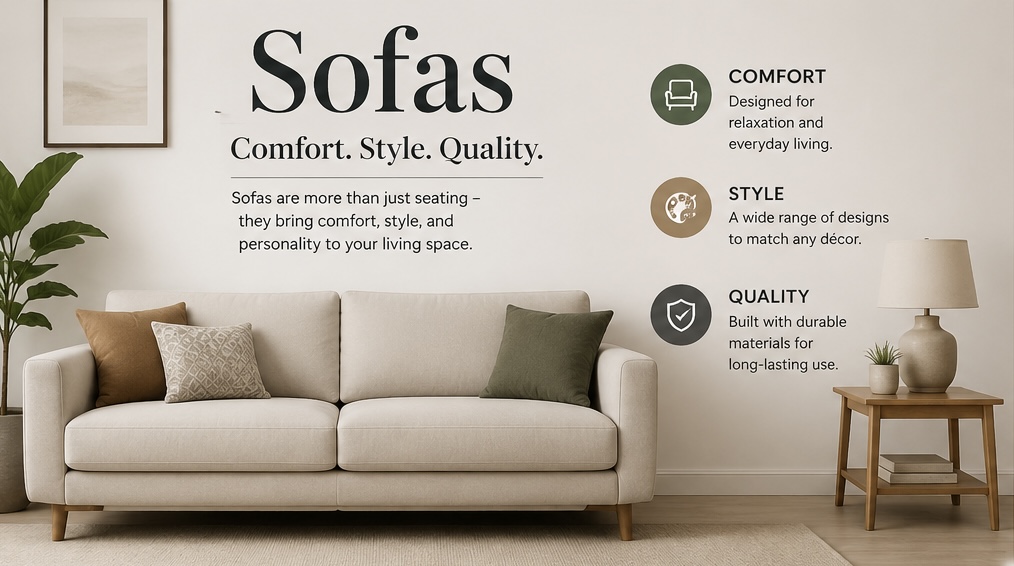
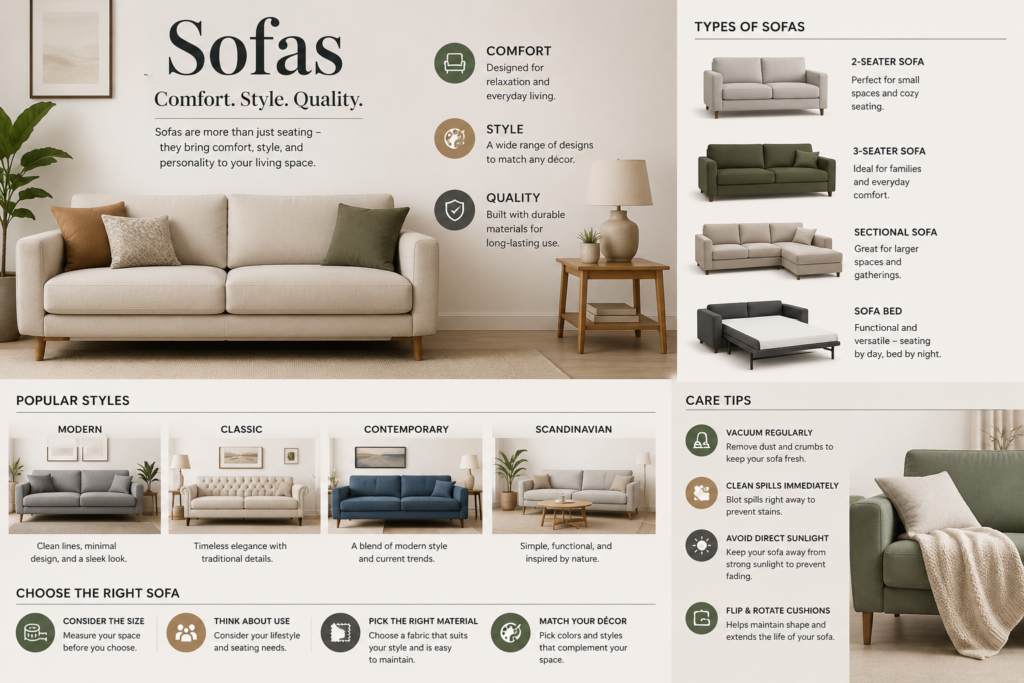
    When it comes to furnishing a living room, few pieces have a bigger impact than a sofa or sectional. These seating options often become the focal point of a home, serving as the place where families gather, guests relax, and everyday life unfolds.

    With so many designs, upholstery choices, and price points available, selecting the right sofa can feel overwhelming. Whether you’re decorating a new home or replacing an aging couch, understanding the basics can help you make a confident and informed purchase.

    Why Choosing the Right Sofa Matters

    A sofa is more than a furniture purchase—it’s a long-term investment in comfort and functionality. The right model can improve the appearance of your living space, provide years of relaxation, and accommodate your household’s lifestyle.

    Sectionals offer additional flexibility by maximizing seating capacity and efficiently utilizing room layouts, making them especially popular in modern homes.

    Common Sofa and Sectional Styles

    Contemporary Designs

    Contemporary sofas focus on simplicity, clean silhouettes, and practical comfort. These pieces typically feature neutral tones, streamlined shapes, and minimal decorative details.

    Classic Traditional Sofas

    Traditional sofas are known for their timeless elegance. Features such as rolled arms, button tufting, carved accents, and rich upholstery create a sophisticated appearance that never goes out of style.

    Mid-Century Modern Seating

    Inspired by the design trends of the 1950s and 1960s, mid-century modern sofas often include tapered wooden legs, sleek lines, and a balance between style and functionality.

    Modular Sectionals

    Modular sectionals consist of separate components that can be arranged in various configurations. Their adaptability makes them an excellent choice for homeowners who frequently rearrange furniture or move to different spaces.

    Reclining Sofas

    For those who prioritize comfort, reclining sofas and sectionals provide adjustable seating positions that make movie nights and relaxation sessions even more enjoyable.

    Chaise Sectionals

    A chaise sectional combines traditional seating with an extended lounge area, offering additional comfort for stretching out and unwinding.

    Understanding Upholstery Materials

    The material covering your sofa influences its appearance, comfort level, maintenance requirements, and lifespan.

    Genuine Leather

    Leather remains a premium upholstery option due to its durability and timeless appeal. Over time, quality leather develops a distinctive character that many homeowners appreciate.

    Advantages:

    • Long-lasting durability
    • Easy surface cleaning
    • Luxurious appearance

    Considerations:

    • Higher initial investment
    • Sensitive to extreme temperatures

    Fabric Upholstery

    Fabric sofas remain a favorite because they are comfortable, versatile, and available in countless colors and textures.

    Advantages:

    • Soft and inviting
    • Wide design selection
    • Budget-friendly options available

    Considerations:

    • May require more frequent cleaning
    • Certain fabrics can absorb stains

    Performance Fabrics

    Engineered for active households, performance fabrics resist spills, stains, and everyday wear while maintaining a comfortable feel.

    Microfiber

    Microfiber is a practical option for families with children or pets because it offers durability and relatively easy maintenance.

    Velvet

    Velvet upholstery adds depth, texture, and elegance to a room. It is often chosen for homeowners seeking a more upscale and refined aesthetic.

    How Much Should You Expect to Spend?

    Sofa and sectional prices vary based on size, materials, construction quality, and brand reputation.

    Price RangeTypical Features
    $300–$800Basic construction and entry-level materials
    $800–$2,000Improved durability, comfort, and upholstery options
    $2,000–$5,000Premium materials, larger configurations, and designer styles
    $5,000+Luxury craftsmanship, custom options, and high-end brands

    While budget-friendly models may serve short-term needs, investing in better construction often results in superior longevity and comfort.

    Smart Buying Tips

    Measure Before You Buy

    One of the most common furniture-shopping mistakes is purchasing a sofa that doesn’t fit properly. Measure your room, doorways, staircases, and hallways before placing an order.

    Think About Daily Use

    Your lifestyle should influence your selection. Homes with pets, children, or frequent visitors may benefit from durable, stain-resistant materials.

    Evaluate Comfort

    Appearance is important, but comfort matters just as much. Pay attention to seat depth, cushion firmness, and back support when comparing options.

    Examine the Frame

    A well-built frame is essential for long-term durability. Hardwood frames generally outperform lower-quality engineered materials.

    Consider Future Flexibility

    If your living situation may change, a modular sectional can provide greater adaptability than a fixed sofa design.

    Coordinate with Your Interior Design

    Select colors, materials, and shapes that complement your existing décor. A cohesive design creates a more polished and inviting atmosphere.

    Popular Configuration Options

    Standard Sofa

    A traditional three-seat sofa remains one of the most versatile options for living rooms of all sizes.

    Loveseat

    Designed for two people, loveseats work well in apartments, offices, bedrooms, and smaller seating areas.

    L-Shaped Sectional

    This layout efficiently utilizes corner space while providing generous seating capacity.

    U-Shaped Sectional

    Ideal for large families and entertainment spaces, U-shaped sectionals create a natural gathering area.

    Chaise Lounge Sectional

    This configuration combines ample seating with an extended relaxation area for added comfort.

    Eco-Friendly Furniture Choices

    Sustainability is becoming increasingly important in the furniture industry. Many manufacturers now offer sofas built with responsibly sourced wood, recycled materials, and environmentally conscious fabrics.

    Choosing sustainable furniture not only supports responsible manufacturing practices but can also contribute to a healthier indoor environment.

    Final Thoughts

    A sofa or sectional is often one of the most-used pieces of furniture in any home. Taking the time to understand different styles, upholstery materials, price ranges, and construction methods can help you make a purchase that delivers both comfort and value.

    Whether you prefer a spacious sectional for family gatherings, a sleek contemporary sofa, or a luxurious leather centerpiece, selecting the right seating can enhance your home’s comfort and style for years to come.

  • The Complete Guide to Outdoor Coffee Tables: Styles, Materials, Costs, and Buying Tips

    The Complete Guide to Outdoor Coffee Tables: Styles, Materials, Costs, and Buying Tips

    Outdoor coffee tables are more than just decorative patio pieces — they bring function, comfort, and style to your outdoor living space. Whether you are designing a cozy backyard lounge, a modern poolside setup, or a relaxing balcony retreat, the right outdoor coffee table can transform the entire atmosphere.

    With many materials, styles, and price ranges available today, choosing the perfect outdoor coffee table can feel overwhelming. This guide will help you understand the different types, materials, and practical buying tips to help you make the best decision for your outdoor space.

    Why Outdoor Coffee Tables Matter

    An outdoor coffee table serves as the centerpiece of your patio seating area. It provides a convenient surface for drinks, snacks, books, plants, or decorative accents while bringing balance and functionality to the overall design.

    Besides practicality, outdoor coffee tables also help define your outdoor style. A rustic wooden table creates warmth and charm, while a sleek metal or glass table gives a modern and minimalist look.

    Popular Outdoor Coffee Table Styles

    Modern Outdoor Coffee Tables

    Modern designs focus on clean lines, simple shapes, and neutral colors. These tables often use aluminum, tempered glass, or concrete materials for a sleek and contemporary appearance.

    Rustic and Farmhouse Style

    Rustic outdoor coffee tables feature natural wood finishes, textured surfaces, and warm tones. Teak and reclaimed wood are popular choices for creating a cozy and inviting outdoor environment.

    Coastal and Tropical Designs

    Coastal-inspired tables use light woods, wicker, rattan, and soft colors that create a breezy and relaxed atmosphere perfect for beach-style patios.

    Industrial Outdoor Tables

    Industrial styles combine metal frames with wood or concrete tops for a bold and urban appearance. These tables are durable and work well in modern outdoor spaces.

    Bohemian and Casual Styles

    Boho-inspired outdoor coffee tables often include woven textures, colorful accents, and natural materials that create a relaxed and artistic outdoor setting.

    Best Materials for Outdoor Coffee Tables

    Choosing the right material is important because outdoor furniture must withstand sun, rain, moisture, and temperature changes.

    Teak Wood

    Teak is one of the most durable outdoor furniture materials. It naturally resists moisture, insects, and decay, making it ideal for patios and gardens. Over time, teak develops a beautiful silver-gray finish if left untreated.

    Aluminum

    Aluminum coffee tables are lightweight, rust-resistant, and modern-looking. Powder-coated aluminum is especially popular because it requires little maintenance.

    Wicker and Rattan

    Synthetic wicker and resin rattan are stylish and weather-resistant choices for outdoor use. They create a relaxed and comfortable appearance while remaining lightweight and durable.

    Concrete

    Concrete outdoor coffee tables are heavy, durable, and modern. They perform well in outdoor environments and create a luxurious contemporary look.

    Steel and Iron

    Metal outdoor tables are sturdy and stylish, although some materials may require protective coatings to prevent rust over time.

    Glass

    Tempered glass tops provide an elegant and modern appearance. They are easy to clean but may require more maintenance to keep free from fingerprints and dust.

    How Much Do Outdoor Coffee Tables Cost?

    Outdoor coffee table prices vary depending on the material, craftsmanship, and brand quality. Higher-quality materials typically last longer and provide better durability.

    Price RangeWhat to Expect
    $50–$150Basic plastic, resin, or lightweight metal tables
    $150–$400Mid-range wicker, aluminum, or wood tables
    $400–$1,000Premium teak, concrete, or designer outdoor tables
    $1,000+Luxury handcrafted or custom outdoor furniture

    Investing in durable materials can save money long-term because quality outdoor furniture lasts for many years with proper care.

    Important Buying Tips

    Measure Your Space

    Before purchasing, measure your patio or seating area carefully. Your coffee table should fit comfortably without making the space feel crowded. Experts recommend leaving enough walking room around the table for easy movement.

    Consider Weather Resistance

    Outdoor furniture faces constant exposure to sunlight, rain, and changing temperatures. Choose materials designed specifically for outdoor use to prevent fading, cracking, or rusting.

    Match Your Existing Furniture

    Your coffee table should complement your outdoor seating and décor style. Mixing materials and textures can create a more balanced and personalized outdoor design.

    Prioritize Durability

    Solid materials, quality construction, and weather-resistant finishes are essential for long-lasting outdoor furniture. Look for sturdy frames and durable finishes before buying.

    Think About Maintenance

    Some materials require more care than others. Teak may need occasional oiling, while aluminum and synthetic wicker usually require only simple cleaning with soap and water.

    Sustainable Outdoor Furniture Choices

    Many homeowners now prefer sustainable outdoor furniture made from recycled materials, reclaimed wood, or responsibly sourced teak. Eco-friendly furniture helps reduce waste while adding natural beauty to outdoor spaces.

    Final Thoughts

    An outdoor coffee table is both a functional and decorative addition to any outdoor living area. By understanding different styles, materials, and buying considerations, you can choose a table that fits your lifestyle, budget, and design preferences.

    Whether you prefer modern aluminum, classic teak, cozy wicker, or bold concrete, investing in a quality outdoor coffee table can enhance your outdoor experience for years to come.

  • The Complete Guide to Furniture Styles, Materials, Costs, and Buying Tips

    Introduction
    Choosing furniture shapes how a home looks and functions. This guide breaks down the most common furniture styles, construction materials, expected costs, and practical buying tips so you can make confident choices for every room.

    Popular Furniture Styles

    • Modern/Contemporary: Clean lines, minimal ornamentation, neutral palettes, and emphasis on function. Common materials: metal, glass, engineered wood, leather.
    • Mid-Century Modern: Low profiles, tapered legs, organic shapes, and warm wood finishes (walnut, teak). Balanced blend of form and comfort.
    • Traditional: Ornate details, carved wood, rolled arms, rich finishes. Often uses solid hardwoods and classic upholstery patterns.
    • Scandinavian: Light tones, simple silhouettes, natural materials, and functional design. Prioritizes light woods like birch and ash.
    • Industrial: Raw finishes, exposed metal frames, reclaimed wood, and utilitarian hardware. Durable, urban look.
    • Rustic/Farmhouse: Distressed wood, chunky proportions, warm finishes, and handcrafted textures. Often uses pine, oak, or reclaimed timber.
    • Transitional: Mixes traditional and contemporary elements for flexible, timeless rooms.

    Materials and Construction

    • Solid Wood: Durable and repairable. Species matter—oak and maple are hard-wearing; pine is softer and less costly. Expect higher price and longer lifespan.
    • Veneered/Engineered Wood (Plywood, MDF, particleboard): Cost-effective, stable when properly made. Ply with a quality veneer can look like solid wood at a lower price.
    • Metal: Steel and aluminum frames are strong and modern; powder-coated finishes resist corrosion. Used for bases, frames, and industrial designs.
    • Upholstery Fabrics: Natural (linen, cotton, leather) provide breathability and classic look; synthetics (polyester, microfiber) offer stain resistance and durability. Check rub counts and cleaning codes.
    • Foam and Springs: High-resilience foam and sinuous springs or pocket coils improve seating comfort and longevity. Examine density and cushioning layers.
    • Glass and Stone: Tempered glass and engineered stone tops add a premium look for tables and counters but show wear differently and require care.

    Price Expectations (U.S. market ranges)

    • Entry-level (budget): $100–$700 for sofas and beds; mass-produced, often engineered wood or lower-density upholstery.
    • Mid-range: $700–$2,500 for sofas and beds; better construction, solid wood frames or high-quality plywood, higher-grade foams, and better fabrics.
    • High-end: $2,500+ for sofas and $1,500+ for dining tables; handcrafted joinery, hardwoods, premium upholstery, designer brands.
      Note: Prices vary with materials, size, brand, and region. Accent pieces like chairs, side tables, and dressers scale lower but follow similar tiers.

    Practical Buying Tips

    • Measure twice: Create a floor plan and measure doorways, staircases, and elevator clearances. Include walking space and set distances (e.g., 18 inches from couch to coffee table).
    • Test for comfort and build: Sit, lean, and open drawers if possible. Check joinery—dovetails, solid corner blocks, and mortise-and-tenon are signs of quality.
    • Prioritize frame and suspension: A kiln-dried hardwood frame and eight-way hand-tied or high-quality sinuous springs last longer than flimsy frames.
    • Inspect finishes: Look for even stain/paint, smooth edges, and consistent hardware. For veneer, ensure seams are aligned.
    • Evaluate upholstery durability: Look for fabric rub counts (15,000+ for residential), stain-resistant treatments, and removable covers for washing.
    • Think modular and multifunctional: Storage beds, extendable tables, or sectional sofas can increase utility in smaller homes.
    • Plan for maintenance: Solid wood needs occasional wax or oil; upholstered pieces benefit from protective treatments and regular cleaning; metal may need touch-up paint.
    • Consider sustainability: Look for FSC-certified wood, low-VOC finishes, and brands with transparent supply chains if environmental impact matters.
    • Factor total cost: Include delivery, assembly, warranties, and expected maintenance when comparing prices.
    • Warranties and returns: Read warranty terms and return policies. A longer warranty often indicates confidence in construction.

    Styling and Placement Tips

    • Balance scale: Match furniture size to room scale—oversized pieces overwhelm small rooms, petite pieces feel lost in large spaces.
    • Create conversation zones: Arrange seating to encourage interaction; maintain sightlines to focal points like windows or fireplaces.
    • Layer textures: Combine wood, metal, textiles, and glass for visual depth.
    • Color and cohesion: Use a palette with 2–3 dominant colors and varying textures to keep rooms harmonious without monotony.

    Common Mistakes to Avoid

    • Buying based on photos alone: Photos can misrepresent scale and finish.
    • Ignoring ergonomics: Aesthetics without comfort leads to unused pieces.
    • Skipping measurements: Many returns and exchanges stem from misfit furniture.
    • Choosing the cheapest option for frequently used items: Daily-use furniture (sofas, beds) is worth investing in for longevity and comfort.

    Brief FAQ

    • How long should good furniture last? With quality construction, sofas and beds can last 7–15 years; solid wood tables and cabinets can last decades with care.
    • Is leather worth the cost? Quality leather is durable, ages attractively, and can outperform many fabrics in longevity and cleanability.
    • Can I mix styles? Yes—use scale, color, and material to create cohesion between different styles.

    Conclusion
    Smart furniture choices combine style, construction, and function. Prioritize quality where you sit and sleep most, measure carefully, and choose materials that fit your lifestyle and maintenance preferences. With these guidelines you’ll make purchases that look great and endure.

  • Dining Furniture Sets in 2026: Simple Buying Guide for Smart Buyers

    Dining furniture sets remain one of the most important parts of any home. In 2026, homeowners are focusing on comfortable, durable, and stylish dining furnitures that improve everyday meals and family gatherings. Whether you are upgrading a kitchen dining area, a formal dining room, or a small apartment space, choosing the right dining furniture set can make a big difference.

    This guide will help you understand the latest dining furniture trends, how to choose the best dining furniture sets, and the pros and cons of different options.

    Why Dining Furniture Sets Matter in 2026

    Dining furniture sets are not just for eating. They are also used for:

    • Family gatherings
    • Holiday meals
    • Working or studying at home
    • Entertaining guests

    Modern homes now prioritize functional and stylish dining furniture sets that match the interior design while offering comfort and durability.

    Top Dining Furniture Trends in 2026

    1. Space-Saving Dining Furniture Sets

    Many homes today have smaller dining areas. Because of this, compact dining furniture sets and extendable dining tables are becoming very popular.

    Benefits:

    • Saves space
    • Ideal for apartments and condos
    • Flexible seating options

    2. Solid Wood Dining Furniture Sets

    Wooden dining furnitures continue to be a top choice because of their natural look and durability.

    Popular materials include:

    • Oak dining furniture sets
    • Walnut dining tables
    • Teak dining furniture

    Why homeowners choose them:

    • Long-lasting
    • Classic design
    • Easy to match with most interiors

    3. Modern Minimalist Dining Furniture

    Minimalist dining furniture sets with clean lines and neutral colors are trending in 2026.

    Common features include:

    • Slim metal frames
    • Glass dining tables
    • Neutral color chairs

    These designs work well in modern homes.

    4. Multi-Functional Dining Furniture

    Many buyers now prefer multi-purpose dining furniture sets that can also serve as workspaces or extendable tables.

    Examples include:

    • Expandable dining tables
    • Foldable dining sets
    • Storage benches

    These are perfect for smaller homes.

    How to Choose the Best Dining Furniture Sets

    Measure Your Dining Space

    Before buying a dining furniture set, measure the space carefully. Make sure there is enough room for chairs and walking space.

    A good rule is to leave at least 36 inches of space around the table.

    Choose the Right Table Shape

    Different table shapes fit different spaces.

    Rectangular dining tables

    • Best for large families
    • Fits long dining rooms

    Round dining tables

    • Ideal for small spaces
    • Encourages conversation

    Square dining tables

    • Good for compact dining areas

    Check Material Quality

    Good materials help dining furniture last longer.

    Common materials include:

    • Solid wood dining furniture
    • Glass dining tables
    • Metal dining frames
    • Engineered wood furniture

    Consider Seating Comfort

    Comfortable dining chairs are just as important as the table.

    Look for:

    • Padded seats
    • Ergonomic back support
    • Durable upholstery

    Types of Dining Furniture Sets (Pros and Cons)

    4-Seater Dining Furniture Sets

    Pros:

    • Perfect for small families
    • Affordable
    • Space-saving

    Cons:

    • Limited seating
    • Not ideal for large gatherings

    6-Seater Dining Furniture Sets

    Pros:

    • Great for families
    • Good balance of space and seating

    Cons:

    • Needs moderate dining room space

    8-Seater Dining Furniture Sets

    Pros:

    • Ideal for entertaining guests
    • Perfect for large homes

    Cons:

    • Expensive
    • Requires a large dining area

    Extendable Dining Furniture Sets

    Pros:

    • Flexible seating
    • Saves space when not extended

    Cons:

    • Moving parts may wear out
    • Usually more expensive

    Frequently Asked Questions About Dining Furniture Sets

    What is the best material for dining furniture sets?

    Solid wood dining furniture sets are considered the best because they are durable, strong, and long-lasting.

    How long do dining furniture sets last?

    High-quality dining furniture sets can last 10–20 years or more, especially if made from solid wood.

    What is the best dining table shape for small spaces?

    Round dining tables or square dining furniture sets work best for small dining areas.

    How many chairs should a dining table have?

    It depends on the table size. The most common options are 4-seater, 6-seater, and 8-seater dining furniture sets.

    Are extendable dining tables worth it?

    Yes. Extendable dining furniture sets provide flexibility for both everyday use and special occasions.

    Final Thoughts

    Dining furniture sets in 2026 focus on comfort, durability, and smart design. Whether you are looking for modern dining furniture sets, solid wood dining tables, or space-saving dining furnitures, choosing the right set can transform your dining experience.

    Invest in high-quality dining furniture, prioritize comfort, and select a style that matches your home. With the right dining furniture set, every meal can become a more enjoyable experience.

    Prime Flix

  • Ultimate Patio Makeover Guide: Transform Your Outdoor Space into a Stylish Retreat

    Is your patio looking tired, dull, or outdated? You don’t need to spend thousands to enjoy a stunning outdoor transformation. With the right furniture, smart shopping tips, and creative décor ideas, you can give your patio a budget-friendly makeover that feels like a brand-new living space.

    Whether you have a small balcony in the city or a spacious backyard in the suburbs, a patio makeover can turn any outdoor area into a relaxing retreat for sipping coffee, hosting barbecues, or stargazing on warm nights.

    In this evergreen guide, we’ll cover everything you need to know to create your dream patio, including:

    • Step-by-step patio makeover ideas
    • Essential outdoor furniture every patio needs
    • Décor tips to add personality and comfort
    • Budget-friendly shopping advice for U.S. shoppers
    • FAQs on small patios, weatherproofing, and furniture care

    By the end, you’ll have all the tools to design a stylish, functional, and long-lasting outdoor oasis.


    Step 1: Clear & Clean – The Essential First Step

    Before shopping or decorating, start with a clean foundation. A clutter-free, refreshed patio immediately makes the space look larger and more inviting.

    How to refresh your patio:

    • Sweep away dirt, leaves, and debris.
    • Power-wash decks, tiles, or concrete for a like-new appearance.
    • Trim back overgrown plants and weeds.
    • Touch up chipped paint or re-stain wooden decks.
    • Check for cracks or damage in flooring and repair as needed.

    👉 Pro tip: Add a fresh coat of outdoor paint or stain to railings, fences, or decks for instant curb appeal.


    Step 2: Define Your Patio Zones

    A great outdoor area isn’t just one big space—it’s organized into zones that make it more functional. Think of your patio as an extension of your indoor living space.

    • Dining Zone – Add a table and chairs for family meals and outdoor entertaining.
    • Lounging Zone – Create a cozy setup with sofas, sectionals, or lounge chairs.
    • Greenery Zone – Add potted plants, a vertical garden, or a herb corner for freshness.

    👉 Use outdoor rugs or planters to separate these areas visually without walls.


    Step 3: Must-Have Outdoor Furniture

    The right furniture transforms a basic patio into a functional, comfortable, and stylish retreat. Here’s what to include:

    Outdoor Sofa or Sectional

    Perfect for family gatherings and lounging. Choose weather-resistant fabrics like Sunbrella or polyester for durability.

    Dining Set

    A sturdy table with 4–6 chairs is ideal for outdoor meals. Materials like teak, aluminum, or recycled plastic hold up well in different climates.

    Coffee Table or Fire Pit

    Great for snacks and drinks, or for cozy warmth during chilly evenings. A propane fire pit doubles as a statement piece.

    Lounge Chairs

    Essential for sunbathing, reading, or napping. Look for adjustable backs and UV-resistant cushions.

    Side Tables

    Handy for drinks, plants, or lanterns. Pick lightweight, rust-proof materials like aluminum or resin wicker.

    Outdoor Rug

    Adds texture and comfort underfoot while tying the space together. Choose polypropylene rugs, which dry quickly after rain.

    Patio Umbrella or Shade Sail

    Essential in sunny states. Offset umbrellas provide wide coverage without blocking movement.

    Storage Bench

    A smart 2-in-1 piece that hides pillows, cushions, or garden tools while offering extra seating.


    Step 4: Add Stylish & Functional Extras

    Now comes the fun part—decorating your patio with personality and comfort.

    • Lighting: String lights, fairy lights, or solar lanterns create cozy evening vibes. Path lights and lanterns add safety and charm.
    • Greenery: Mix tall plants, hanging baskets, and succulents. Try a vertical garden if space is limited.
    • Textiles: Bright throw pillows, outdoor curtains, and blankets add softness and pops of color.
    • Accessories: Candles, lanterns, outdoor wall art, or a Bluetooth speaker can instantly elevate the mood.

    👉 Pro tip: Stick with outdoor-rated fabrics and décor to ensure durability in all weather conditions.


    Step 5: Smart Shopping Tips for U.S. Shoppers

    You don’t need a huge budget for a stunning patio. With the right timing and choices, you can save big:

    • Shop Local: Stores like Home Depot, Lowe’s, Walmart, and Wayfair regularly discount outdoor furniture.
    • Seasonal Sales: The best deals are in fall and winter when patio furniture goes on clearance.
    • Choose Weather-Proof Materials by Region:
      • Rainy states (Washington, Oregon): Opt for rust-proof metals and quick-dry fabrics.
      • Sunny states (Arizona, Nevada): Prioritize UV-resistant fabrics to prevent fading.
      • Humid states (Florida, Texas): Go for mildew-resistant woods like teak or synthetic wicker.

    Step 6: Enjoy Your Outdoor Oasis

    In just a weekend, you can turn your patio into a space you’ll love year-round. Imagine morning coffee in the sunshine, family dinners under the stars, or cozy nights with friends by the fire pit.

    Your new patio isn’t just a makeover—it’s an investment in your lifestyle.


    Patio Makeover FAQs

    1. What’s the best furniture for small patios or balconies?

    For small spaces, choose multi-functional furniture like foldable chairs, nesting tables, or a storage bench. A bistro set (two chairs + a small table) works perfectly for compact areas.

    2. How do I protect patio furniture from rain?

    Invest in waterproof covers and store cushions in a storage bench when not in use. Choose quick-dry fabrics like Sunbrella or polypropylene rugs that resist mold and mildew.

    3. Can I leave patio furniture outside year-round?

    It depends on the material. Teak, resin wicker, and powder-coated aluminum are durable outdoors. For harsh winters, it’s best to cover or store furniture indoors to extend its life.

    4. How can I make my patio more private?

    Add outdoor curtains, tall potted plants, lattice panels, or privacy screens. Shade sails also provide both privacy and sun protection.

    5. What’s the average cost of a patio makeover?

    A budget-friendly DIY patio makeover can cost as little as $500–$1,000 with smart shopping. Larger makeovers with premium furniture can range from $3,000–$10,000.

    6. What’s the best flooring for patios?

    Popular options include concrete, composite decking, natural stone, or outdoor tiles. If you want a budget option, consider outdoor rugs or interlocking deck tiles.


    Final Thoughts

    A patio makeover doesn’t require a massive budget or a professional designer. With some planning, smart shopping, and a touch of creativity, you can transform your outdoor area into a stylish, functional retreat that reflects your personality.

    Whether you want a peaceful space for morning meditation or a lively area for entertaining, these patio design tips will help you make the most of your outdoor space.

    So grab your tools, shop smart, and start your transformation today—and don’t forget to share your before-and-after photos with the hashtag #SimplePatioMakeover!